Manual & Structural
Instrument-Assisted Soft Tissue Mobilization
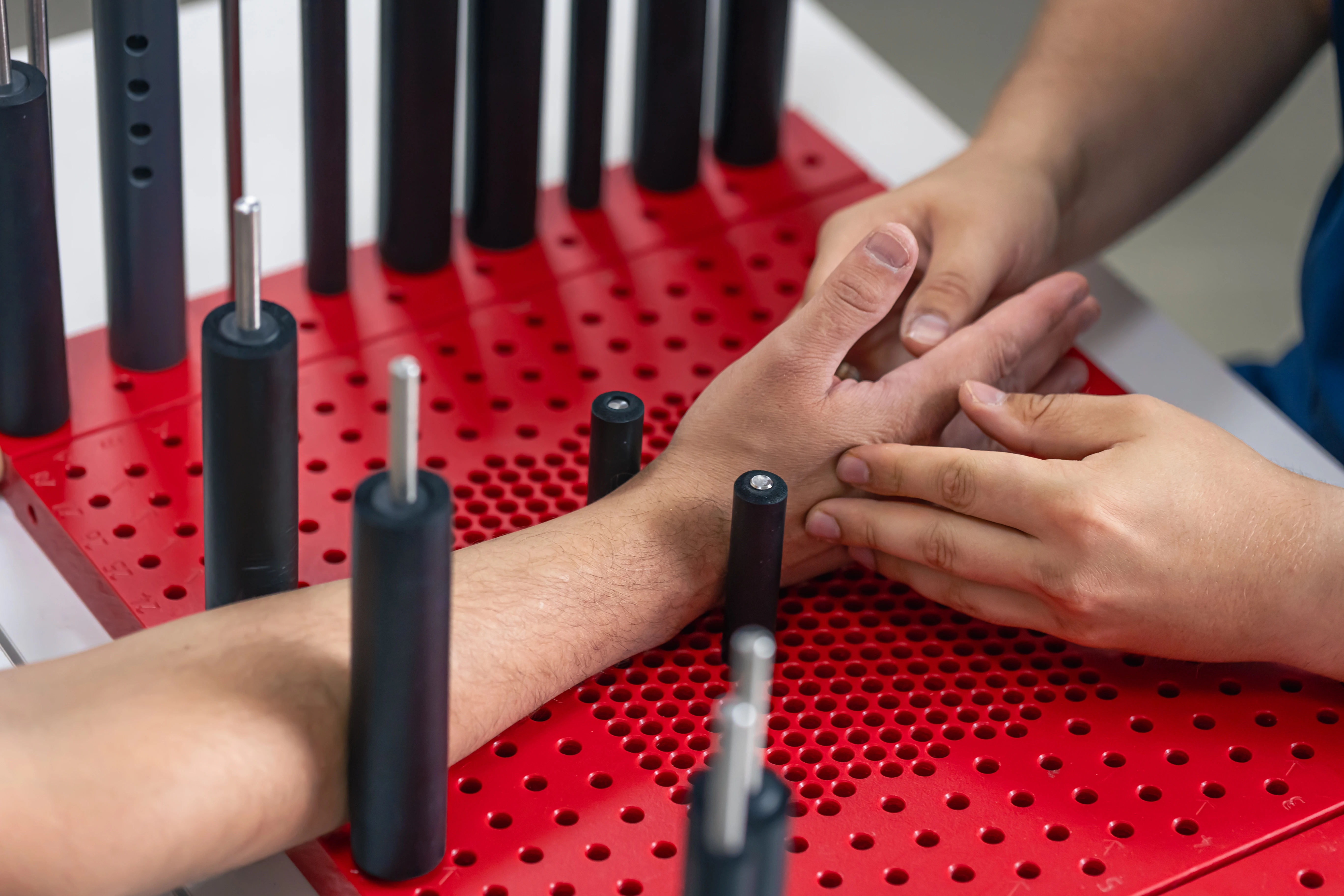
Instrument-Assisted Soft Tissue Mobilization uses smooth, contoured tools glided over the skin to find and release scar tissue, adhesions, and stubborn muscle tightness that fingers alone can miss.
- Session length
- 30–45 min
- Typical course
- 6–10 typical
- Intensity
- Moderate
- Suitable for
- Adults with stubborn muscle tightness, old injuries, or overuse strain — popular with athletes and desk workers alike
How it helps
- Breaks down scar tissue and fascial adhesions from old injuries
- Releases chronic muscle tightness that resists ordinary massage
- Improves range of motion in stiff, restricted areas
- Boosts local blood flow to support tissue repair
- Eases pain from overuse conditions like tennis elbow and shin splints
- Speeds recovery from training and sports strain
Often chosen for
Tap a condition to see the full condition guide.
What is Instrument-Assisted Soft Tissue Mobilization?
Instrument-Assisted Soft Tissue Mobilization — often shortened to IASTM — is a hands-on therapy in which the therapist works your muscles and connective tissue with smooth, specially shaped instruments instead of fingertips alone. The idea has deep roots: it is a modern refinement of traditional scraping techniques such as Gua Sha, engineered with precise edges and angles for therapeutic soft-tissue work.
The tools do two jobs at once. They act as an amplifier, letting the therapist literally feel rough, restricted tissue vibrating through the instrument, and they deliver treatment with a precision and consistency that is hard to match by hand.
How it works
When tissue is injured or overused, the body lays down repair fibres quickly and untidily. Over time these can form adhesions — patches where layers of muscle and fascia stick together — which restrict movement and keep an area sore long after the original problem has passed.
Gliding the instrument over these patches with controlled pressure does two useful things. It mechanically breaks up the disorganised fibres so the tissue layers can slide freely again, and it creates a mild, deliberate stimulus that draws fresh blood to the area, restarting a stalled healing process. Paired with stretching and movement after each session, the tissue is encouraged to remodel in a smoother, more flexible pattern.
What a session feels like
After a short assessment, you will feel the cool edge of the tool gliding over lightly oiled skin — broad and gentle at first, then more focused over the spots that need work. Restricted areas often feel gritty or tender as they are treated, and many people describe a distinct sense of release as a stubborn band lets go. Some redness afterwards is normal; most people notice easier, freer movement within a day or two.
What a session looks like
- 1
Finding the restrictions
The therapist glides a smooth instrument lightly over the area. Restricted tissue gives a distinct gritty feedback through the tool, revealing exactly where adhesions and tight bands sit.
- 2
Preparing the tissue
A light emollient is applied so the tool moves smoothly, and the area is warmed with broad, gentle strokes before any deeper work begins.
- 3
Targeted mobilization strokes
Using the bevelled edge of the instrument, the therapist works the restricted spots with controlled strokes at specific angles and depths, encouraging the tissue to release and remodel.
- 4
Movement and aftercare
The session closes with gentle stretches or active movements of the treated area, plus simple aftercare advice so the newly freed tissue keeps its mobility.
Instrument-Assisted Soft Tissue Mobilization — common questions
What are the instruments, and why not just use hands?+−
The tools are smooth, contoured pieces of stainless steel or hard plastic. Their edges transmit tissue texture to the therapist's hands far more precisely than fingertips can, making it easier to locate adhesions and treat them at exactly the right depth and angle.
Does it hurt or leave marks?+−
You may feel a scraping sensation and some tenderness over restricted spots, and mild redness afterwards is common — a sign of increased blood flow. It should never feel unbearable, and the therapist adjusts pressure to keep it comfortable.
How many sessions until a stubborn spot improves?+−
Many people notice freer movement after the first one or two sessions. Long-standing adhesions or chronic overuse injuries typically respond over a short course of weekly sessions combined with the stretches you are given.
Related therapies
Manual & Structural
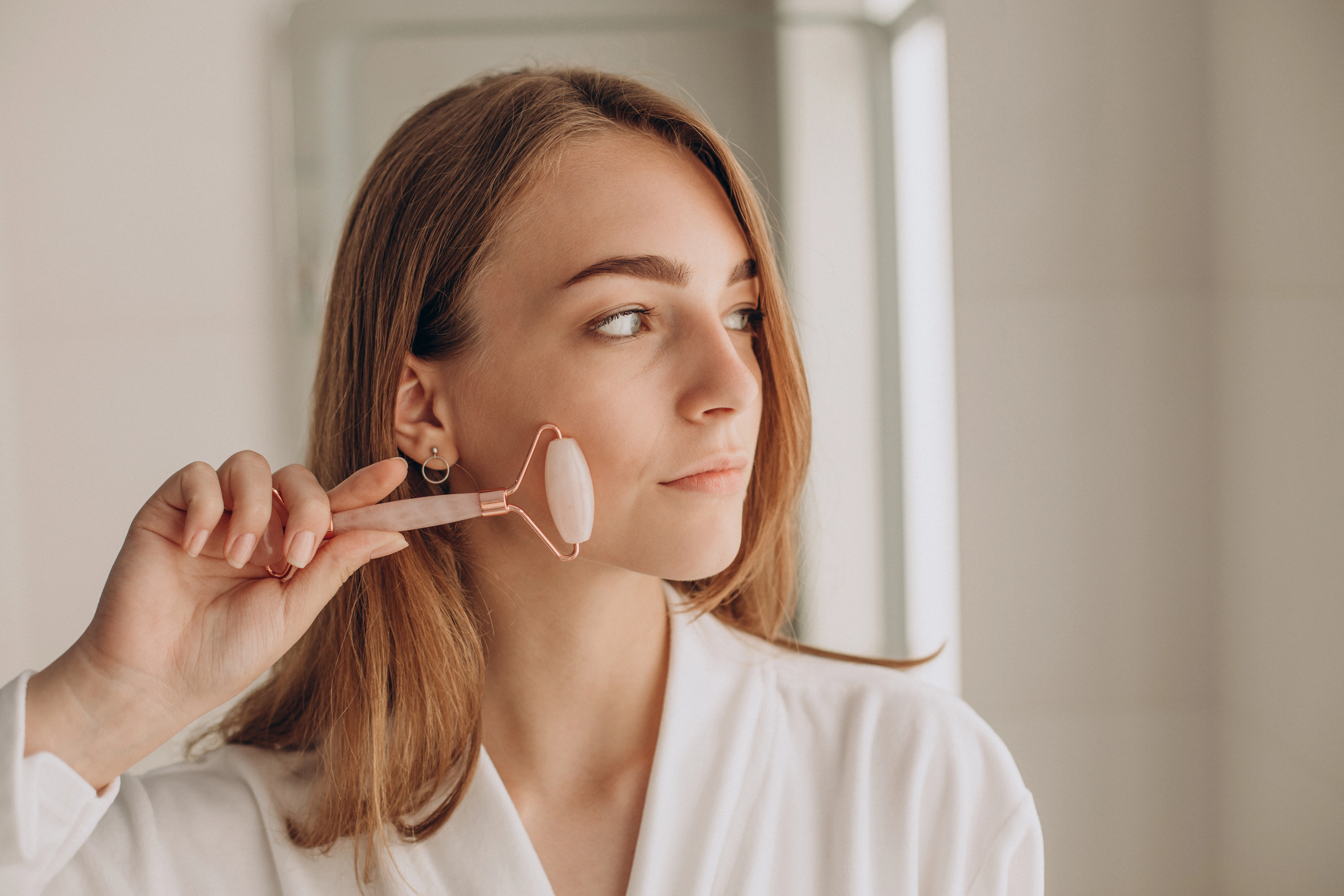
GUA SHA Technique
Gua Sha uses a smooth-edged tool drawn firmly across oiled skin to release tight muscle, flush stagnant circulation, and relieve stubborn tension — a time-honoured Chinese scraping technique with a distinctly modern following.
Explore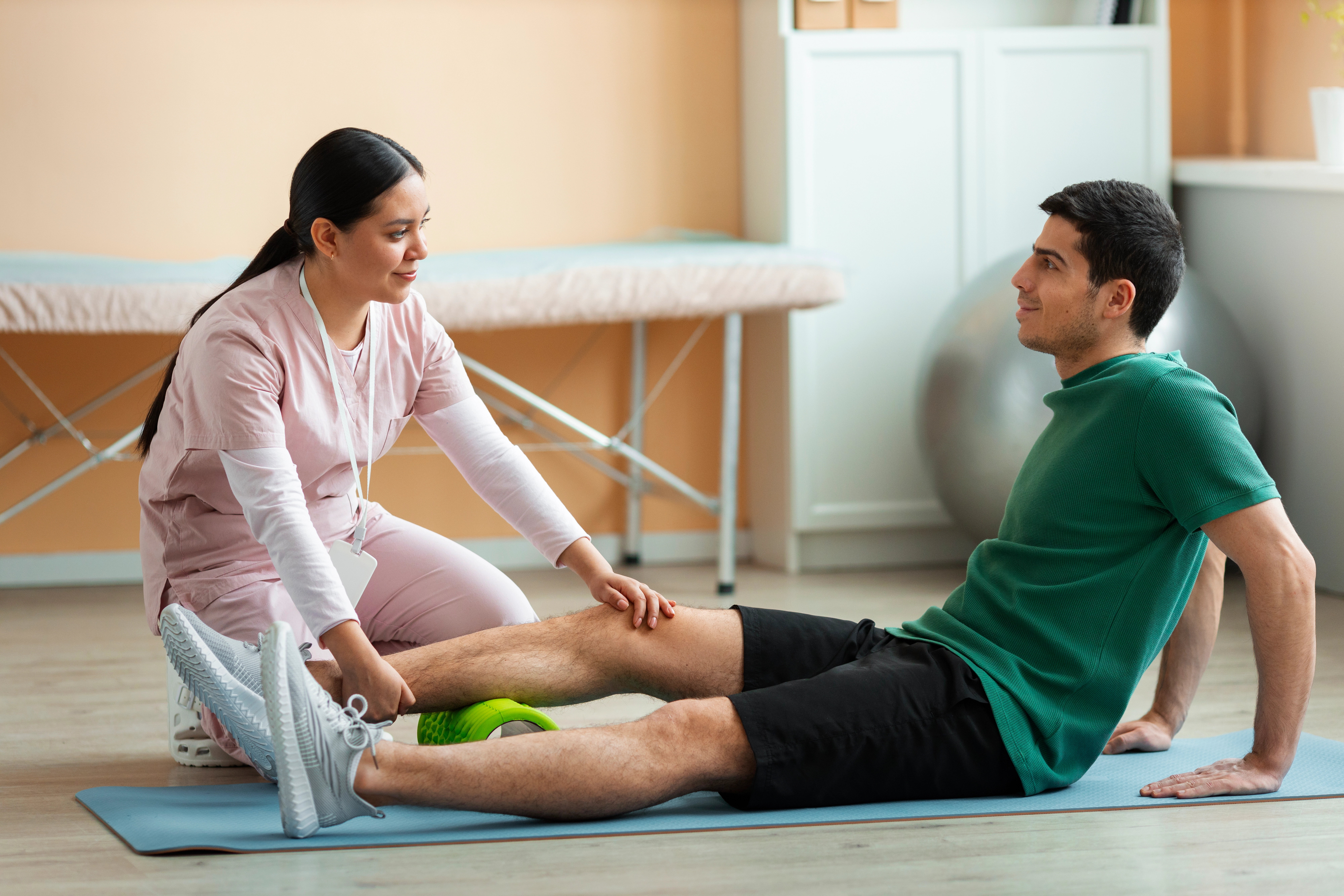
Manual & Structural
Friction Technique
Friction Technique uses small, precise cross-fibre strokes over tendons, ligaments, and muscle to break down adhesions, soften scar tissue, and restore smooth, pain-free movement to a stubborn injury site.
Explore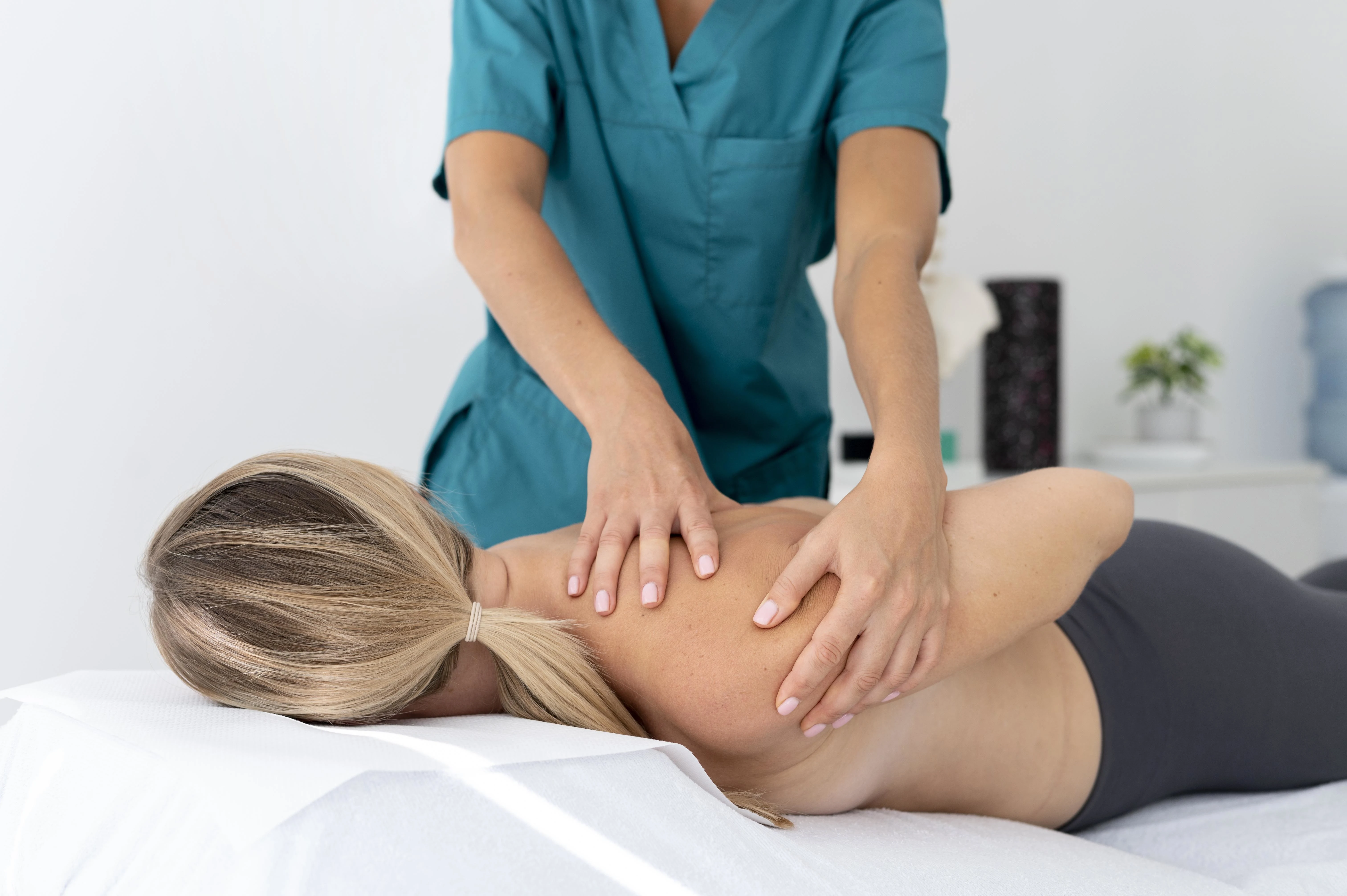
Pressure & Point Therapy
Trigger Point Therapy
Trigger Point Therapy releases the tight, hyperirritable knots in muscle tissue that cause local and referred pain, restoring circulation, flexibility, and comfortable movement.
ExploreExperience Instrument-Assisted Soft Tissue Mobilization at Thangajam Munril
Sessions are held at Thangajam Munril, our multidisciplinary centre in Dindigul, conducted by ALMAYA Coz Raja.