Manual & Structural
GUA SHA Technique
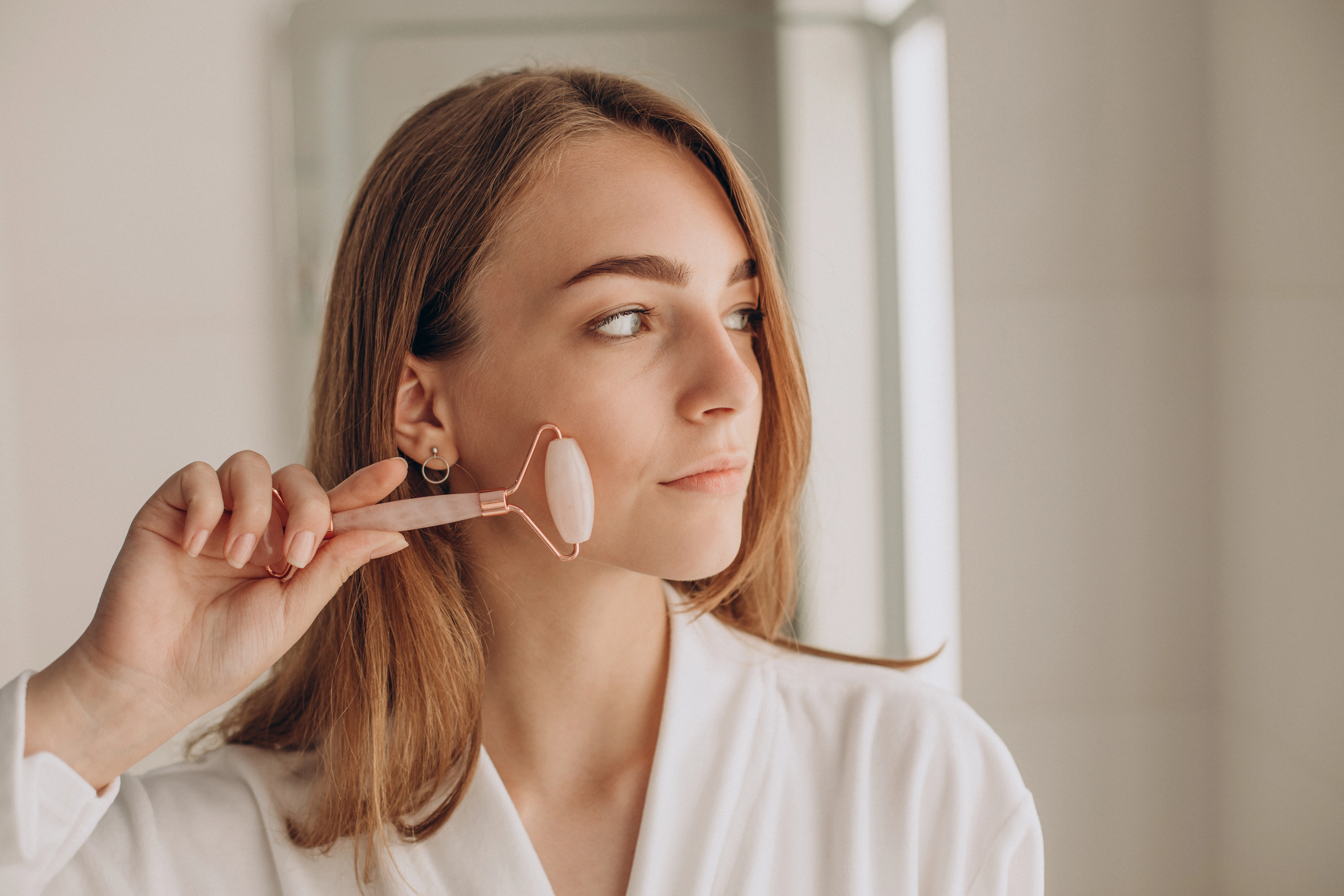
Gua Sha uses a smooth-edged tool drawn firmly across oiled skin to release tight muscle, flush stagnant circulation, and relieve stubborn tension — a time-honoured Chinese scraping technique with a distinctly modern following.
- Session length
- 30–45 min
- Typical course
- 6–10 typical
- Intensity
- Gentle
- Suitable for
- Adults with tight, congested muscles — especially neck, shoulders, and back; lighter strokes suit facial and lymphatic work
How it helps
- Releases deep muscle tightness in the neck, shoulders, and back
- Stimulates fresh blood flow to congested, tender tissue
- Eases tension headaches that build up from the neck and shoulders
- Supports lymphatic drainage and the body's natural detox processes
- Softens facial tension when applied with light, gentle strokes
- Leaves treated areas feeling noticeably lighter and looser
Often chosen for
Tap a condition to see the full condition guide.
What is the GUA SHA Technique?
Gua Sha is a traditional Chinese healing technique whose name describes exactly what it does: "gua" means to scrape or press-stroke, and "sha" is the red speckling that rises where circulation has been stagnant. Using a smooth-edged tool — classically carved from jade, stone, or horn — the therapist draws firm, repeated strokes across oiled skin, working along the muscles of the neck, shoulders, back, or limbs.
Centuries old across East and Southeast Asia, the technique has found a new global audience in recent years, particularly its gentle facial form.
How it works
When muscle tissue stays tight for a long time, local circulation slows and metabolic waste lingers, leaving the area congested, tender, and heavy. The repeated pressure-strokes of Gua Sha physically flush that stagnation: fresh blood is drawn through the tissue, fascia and muscle are mobilised under the tool's edge, and the nervous system registers the strong, rhythmic input as a signal to let protective tension go.
In the traditional framing, the same process is described as moving blocked Qi and blood along the meridians — two languages describing the relief people feel when a chronically stiff area finally lets go.
What a session feels like
After the skin is oiled, the strokes begin lightly and build to a firm, sweeping rhythm. Most people find it intensely satisfying over tight spots — the sensation of tension being "swept out" of a muscle. Some areas develop the characteristic red sha speckling; it looks dramatic, feels like nothing, and fades within days. Afterwards the treated area typically feels warm, light, and freer, with the fullest effect arriving over the following day or two.
What a session looks like
- 1
Preparing the skin
The area to be treated is warmed and coated with a light oil or balm so the tool can glide smoothly without dragging the skin.
- 2
Choosing the tool and angle
Your therapist selects a smooth-edged tool — traditionally jade, horn, or stone — and holds it at a shallow angle against the skin, matched to the area being worked.
- 3
Unidirectional scraping strokes
The tool is drawn in firm, repeated strokes in one direction along the muscle, following the body's natural lines. Congested areas may develop harmless red speckling called "sha".
- 4
Soothing and aftercare
The area is calmed with gentle strokes, kept warm, and you are guided on simple aftercare — rest, warmth, and plenty of water.
GUA SHA Technique — common questions
What are the red marks Gua Sha leaves — is that bruising?+−
The speckled redness, called "sha", is stagnant blood being drawn out of congested tissue into the surface circulation where it can clear. It is generally painless, fades within a few days, and is traditionally read as a sign the technique found an area that needed it.
Does Gua Sha hurt?+−
The scraping feels firm and unusual rather than painful — most people compare it to a deep massage stroke. Tight areas can feel tender as they release, and your therapist adjusts pressure continuously. Facial Gua Sha uses only feather-light strokes.
How is body Gua Sha different from the facial Gua Sha I see online?+−
They share the same tools and lineage but different aims. Body Gua Sha uses firm strokes to release muscle and circulation deep in the tissue; facial Gua Sha uses very light strokes to ease facial tension and encourage lymphatic drainage — gentle enough to leave no marks.
Related therapies
Manual & Structural
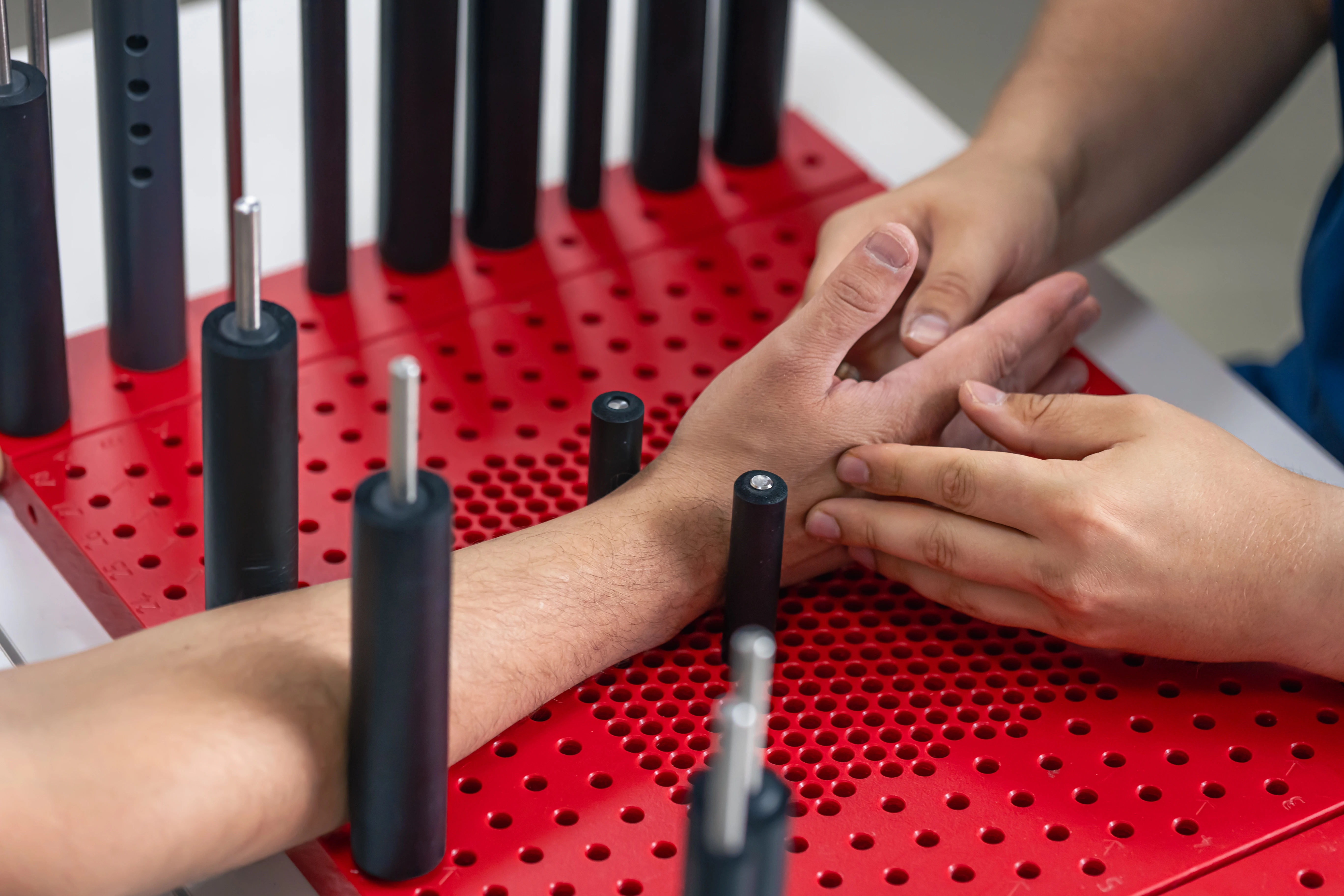
Instrument-Assisted Soft Tissue Mobilization
Instrument-Assisted Soft Tissue Mobilization uses smooth, contoured tools glided over the skin to find and release scar tissue, adhesions, and stubborn muscle tightness that fingers alone can miss.
Explore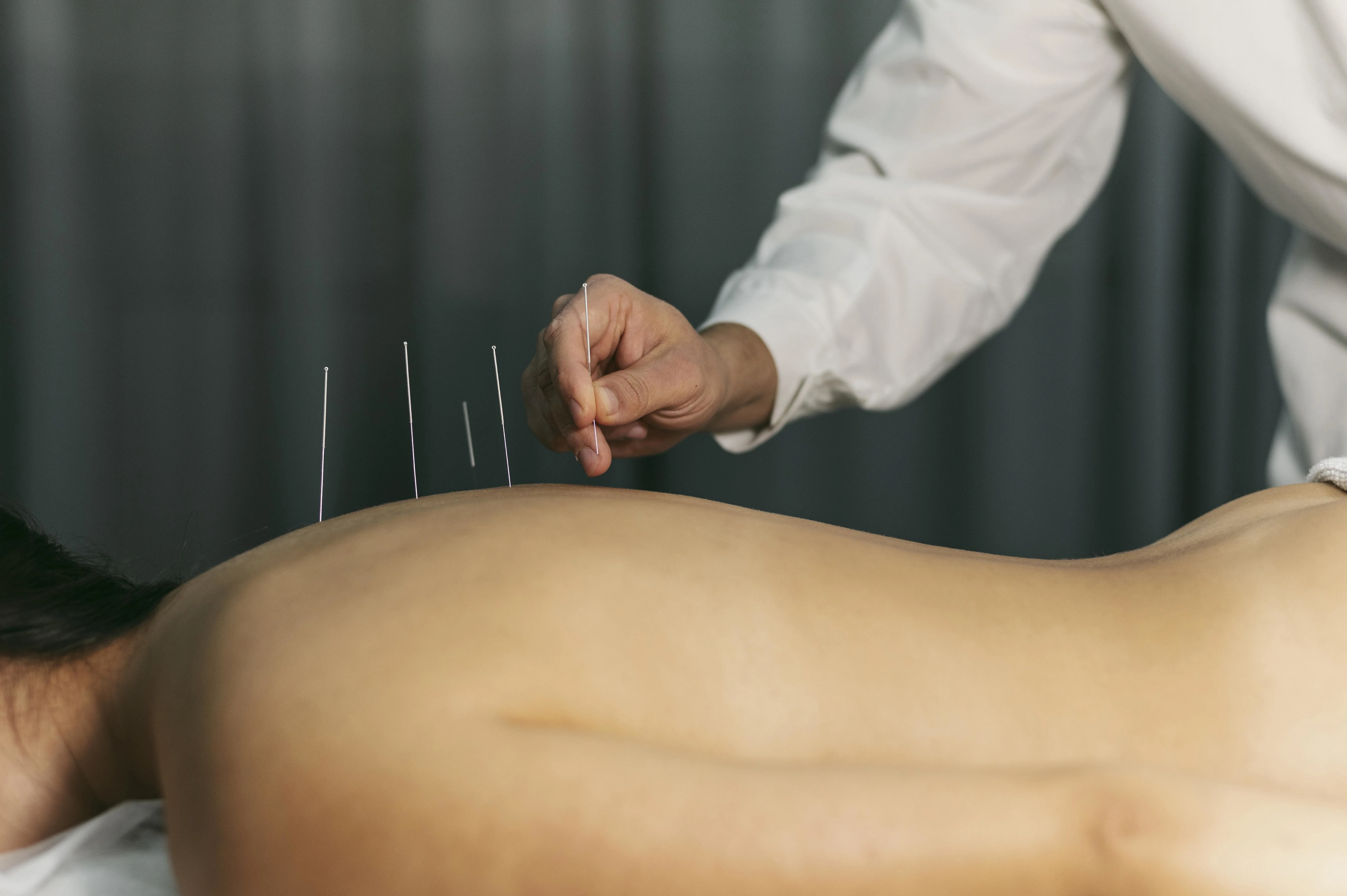
Energy & Traditional
Chinese Meridian Therapy
Rooted in Traditional Chinese Medicine, Chinese Meridian Therapy balances the body's energy pathways — the meridians — to relieve pain and fatigue and restore natural vitality.
Explore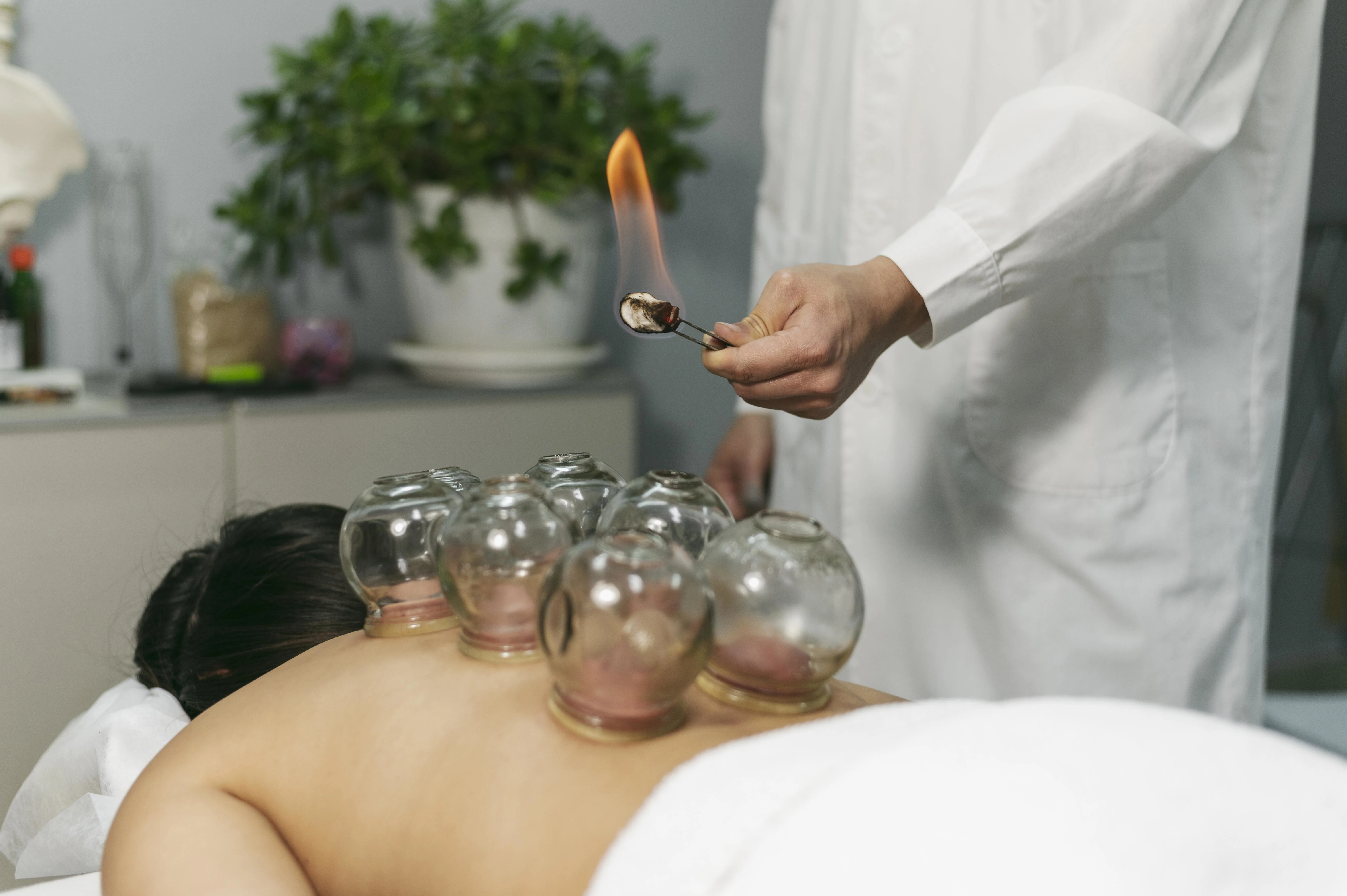
Energy & Traditional
Hijamah Therapy
Hijamah is the time-honoured practice of cupping therapy, using gentle suction cups on the skin to draw fresh circulation into tense, congested tissue, release deep muscular tightness, and support the body's natural cleansing.
ExploreExperience GUA SHA Technique at Thangajam Munril
Sessions are held at Thangajam Munril, our multidisciplinary centre in Dindigul, conducted by ALMAYA Coz Raja.