Pressure & Point Therapy
Trigger Point Therapy
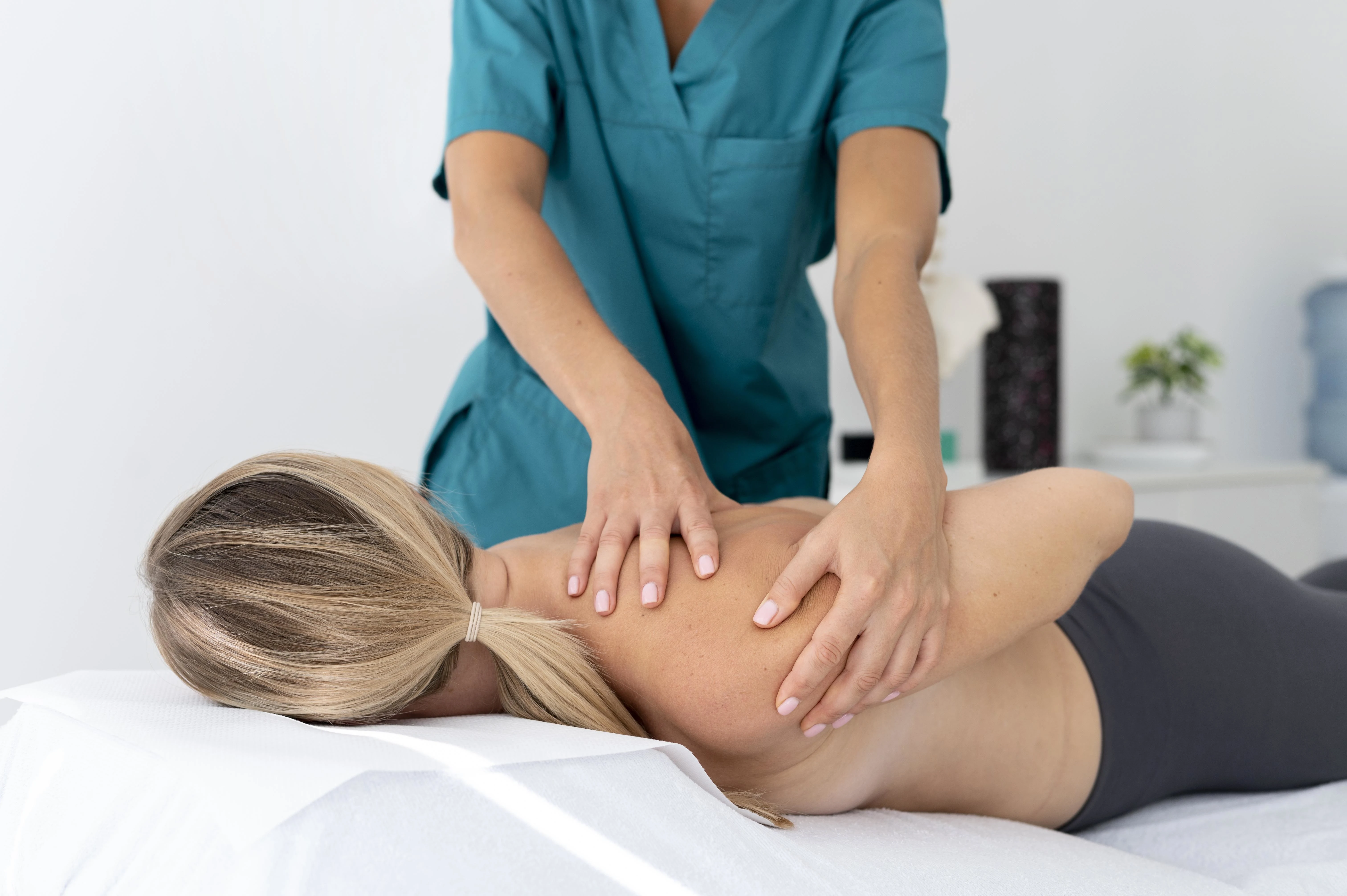
Trigger Point Therapy releases the tight, hyperirritable knots in muscle tissue that cause local and referred pain, restoring circulation, flexibility, and comfortable movement.
- Session length
- 30–90 min
- Typical course
- 6–10 typical
- Intensity
- Firm
- Suitable for
- Muscle pain from posture, overuse, stress, or old injuries
How it helps
- Immediate pain relief
- Improved flexibility and mobility
- Relief from headaches and referred pain
- Better posture and movement patterns
- Faster recovery from injuries
- Reduced tension and stress
Often chosen for
Tap a condition to see the full condition guide.
What is Trigger Point Therapy?
Trigger points are hyperirritable spots that form in muscle tissue — small, tight knots that refuse to let go on their own. Press one and you may feel pain right there, or surprisingly far away: a knot in the neck can fuel headaches, and one in the hip can send pain down the leg. This referred pain is what makes trigger points so easy to live with unknowingly and so satisfying to treat.
They develop from everyday strains: repetitive movements, poor posture, stress and tension, old injuries, and simple overuse. Left alone, they cause chronic stiffness, restricted range of motion, and sometimes numbness or tingling.
How it works
During a session, your therapist uses fingers, knuckles, or purpose-made tools to locate each trigger point and apply focused, sustained pressure — enough to deactivate the knot. The pressure increases blood flow through the starved tissue, flushes out accumulated toxins, releases the muscle tightness, and resets the nerve signals that were holding the muscle in contraction. The result is deep, lasting relief rather than a temporary loosening.
Sessions last thirty to ninety minutes and are tailored to your needs, often combined with stretching, myofascial release, or deep tissue work for the best results.
What to expect afterwards
Many people feel immediate relief and freer movement as soon as they stand up from the table. Mild soreness over the next day or two — much like after a good workout — is a normal part of the release process. As a course of sessions progresses, posture improves, flexibility returns, and the old pain patterns stop reasserting themselves.
What a session looks like
- 1
Finding the trigger points
On the massage table, with or without oil, your therapist palpates the muscle tissue to locate the tight, tender knots responsible for your pain — including points that refer pain to distant areas.
- 2
Focused release pressure
Using fingers, knuckles, or tools, direct sustained pressure is applied to each trigger point to deactivate it, increase blood flow, and release the tightness.
- 3
Flushing and resetting
As each knot releases, the surrounding tissue is worked to flush out toxins and reset the nerve signals that were keeping the muscle in spasm.
- 4
Stretch and integrate
The session often finishes with stretching, myofascial release, or deep tissue work so the freed muscles settle into better movement patterns. Mild next-day soreness, like after a workout, is normal.
Trigger Point Therapy — common questions
What exactly is a trigger point?+−
A trigger point is a hyperirritable knot in muscle tissue. When pressed, it can cause pain both locally and in distant areas — a phenomenon called referred pain, which is why a knot in the shoulder can drive a headache.
What causes trigger points to form?+−
Common causes include repetitive movements, poor posture, stress and tension, injury or trauma, and general overuse of muscles.
Does the treatment hurt?+−
Releasing an active trigger point produces a deep, satisfying ache rather than sharp pain, and pressure is always adjusted to your tolerance. Mild soreness afterwards, like after a workout, is normal and passes quickly.
How do I know if my pain comes from trigger points?+−
Typical signs include chronic muscle pain or stiffness, headaches, back, neck, and shoulder pain, reduced range of motion, and numbness or tingling sensations. An assessment at the start of your session confirms it.
Related therapies
Manual & Structural
Neuro-Muscular Therapy
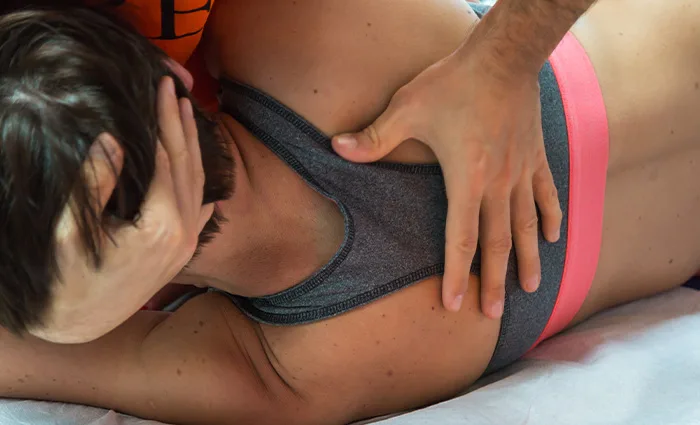
Neuro-Muscular Therapy is an advanced bodywork technique that releases nerve and muscle tension, restoring healthy communication between the brain, nerves, and muscles to relieve chronic pain and rebalance the body.
Explore
Manual & Structural
Myotherapy & Zero Balancing
Myotherapy & Zero Balancing pairs hands-on muscle treatment with gentle energy-and-structure balancing, easing pain at both the physical and energetic levels for deep, lasting recovery.
Explore
Pressure & Point Therapy
Acupressure
Acupressure uses firm, targeted finger pressure on specific points of the body to ease pain, calm stress, and restore healthy energy flow — the benefits of acupuncture, without needles.
ExploreExperience Trigger Point Therapy at Thangajam Munril
Sessions are held at Thangajam Munril, our multidisciplinary centre in Dindigul, conducted by ALMAYA Coz Raja.