Manual & Structural
Friction Technique
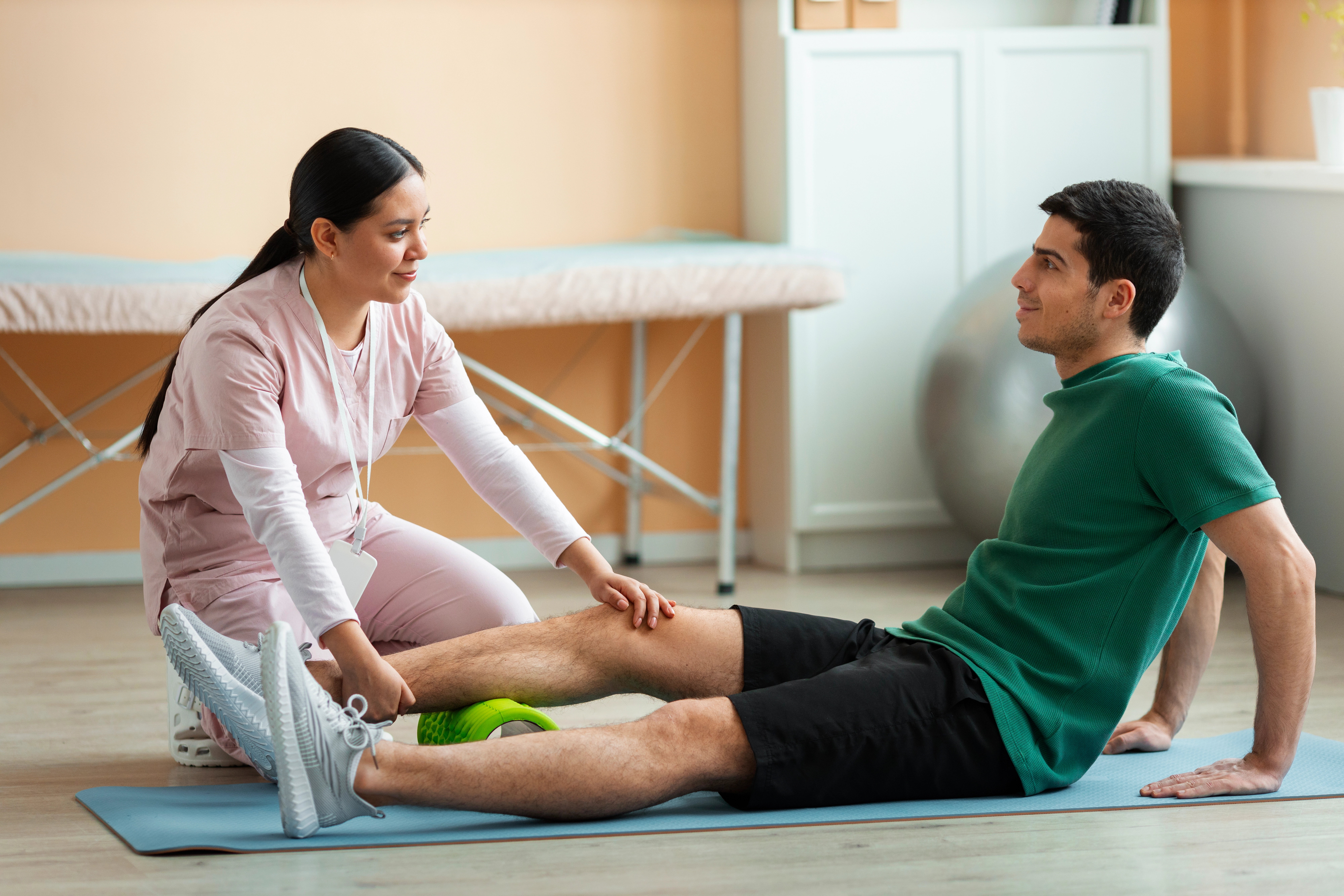
Friction Technique uses small, precise cross-fibre strokes over tendons, ligaments, and muscle to break down adhesions, soften scar tissue, and restore smooth, pain-free movement to a stubborn injury site.
- Session length
- 30–45 min
- Typical course
- 6–10 typical
- Intensity
- Gentle
- Suitable for
- Adults recovering from sprains, strains, tendon irritation, or old injuries that never fully settled
How it helps
- Helps break down adhesions and soften old scar tissue
- Eases persistent tendon and ligament pain from overuse injuries
- Boosts local blood flow to tissues that heal slowly
- Restores smoother gliding between muscle fibres and surrounding tissue
- Supports a fuller, freer range of motion in the treated area
- Encourages the body's own repair response at the exact site of injury
Often chosen for
Tap a condition to see the full condition guide.
What is Friction Technique?
Friction Technique is a focused form of manual therapy in which the therapist applies small, deliberate strokes across the fibres of a tendon, ligament, or muscle. Rather than gliding over the skin like a massage stroke, the fingertip moves the skin and the tissue beneath it together, working directly on the exact spot where an injury has left tissue thickened, stuck, or tender.
It is a precise, quietly powerful technique — most of the session happens within an area the size of a coin.
How it works
When soft tissue is injured, the body repairs it with scar tissue. That repair is often laid down in a disorganised way, gluing fibres to their neighbours and to the layers around them. The result is an area that feels tight, aches with use, and never quite returns to normal. Cross-fibre friction gently separates those stuck strands, stimulates fresh local blood flow, and gives the tissue a mild, controlled stimulus that encourages it to remodel along cleaner lines. Pain eases, glide returns, and movement stops pulling on the old injury.
What a session feels like
Your therapist begins by finding the precise spot — you will usually recognise it immediately as "the" tender point you have been living with. The friction itself starts light and deepens gradually; a tender ache at first typically fades to a dull warmth as the area releases. Sessions are short and targeted, often combined with gentle stretching or movement afterwards to help the freshly mobilised tissue learn its new range. Many people notice the treated area feels looser and less protective within the first few sessions.
What a session looks like
- 1
Finding the exact spot
Your therapist palpates carefully around the painful area to locate the precise band of tendon, ligament, or muscle where adhesions or thickened tissue have formed.
- 2
Positioning the tissue
The area is placed in the right amount of stretch or slack so the fibres sit correctly under the therapist's fingers — an important detail that makes the friction effective.
- 3
Applying cross-fibre friction
Using a fingertip or thumb, the therapist moves the skin and your tissue together in small, controlled strokes across the direction of the fibres, gradually deepening as the area warms and releases.
- 4
Settling and re-checking
The session finishes with gentle soothing strokes and a quick re-test of movement, so you can feel the difference in the treated area straight away.
Friction Technique — common questions
Why does the therapist rub across the fibres instead of along them?+−
Working across the fibre direction is what separates stuck strands of tissue from one another. Strokes along the fibres feel pleasant but do little to release an adhesion — the cross-fibre angle is the whole point of the technique.
Does Friction Technique hurt?+−
The first strokes over an adhesion can feel tender, but the sensation typically dulls within a minute or two as the tissue releases. Your therapist adjusts the pressure so it always stays within a comfortable, workable range.
How many sessions before an old injury improves?+−
Recent irritations often ease within a few sessions. Long-standing scar tissue is worked on gradually — most people notice steadier improvement across six to ten sessions, supported by simple movement between visits.
Related therapies
Manual & Structural
Instrument-Assisted Soft Tissue Mobilization
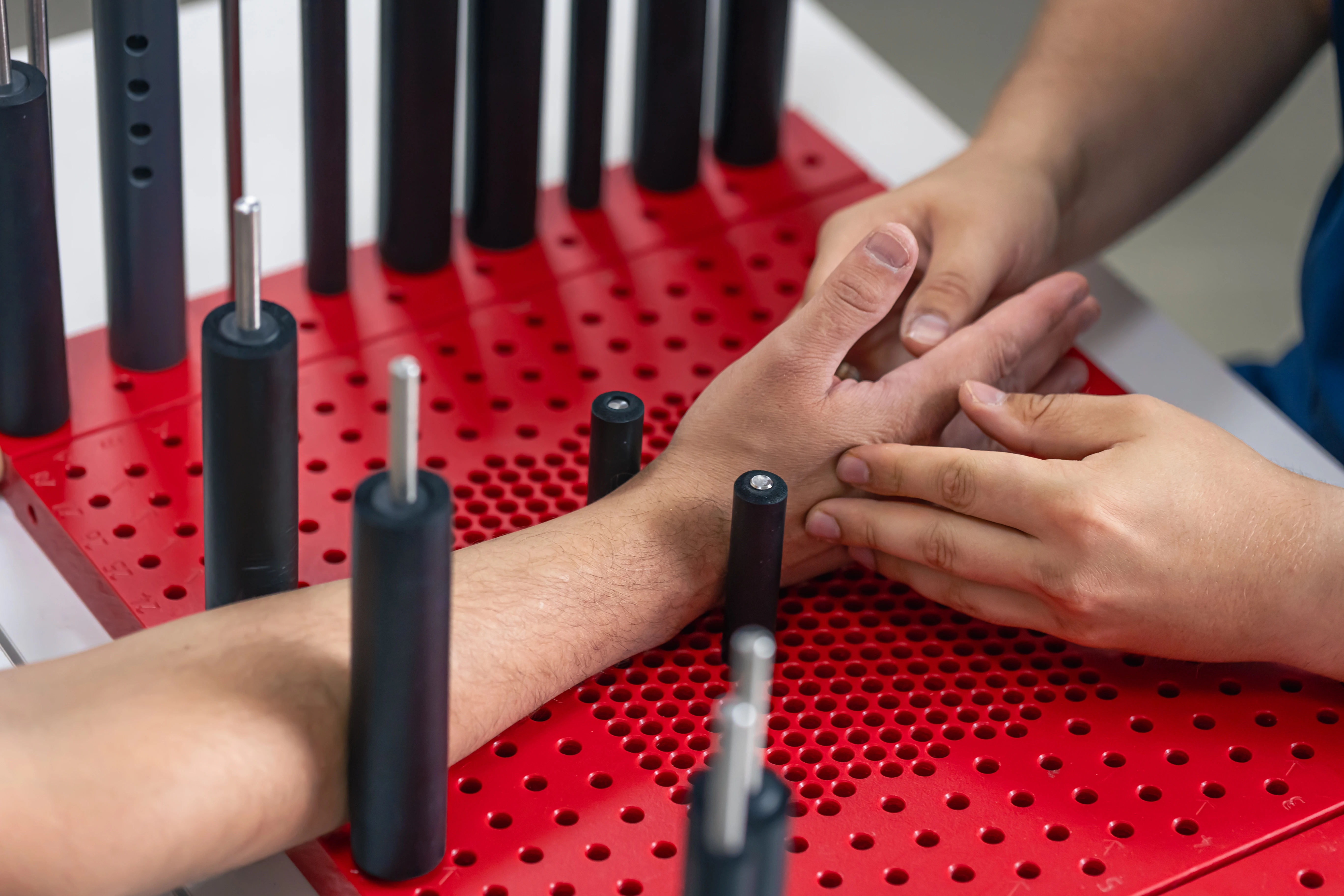
Instrument-Assisted Soft Tissue Mobilization uses smooth, contoured tools glided over the skin to find and release scar tissue, adhesions, and stubborn muscle tightness that fingers alone can miss.
Explore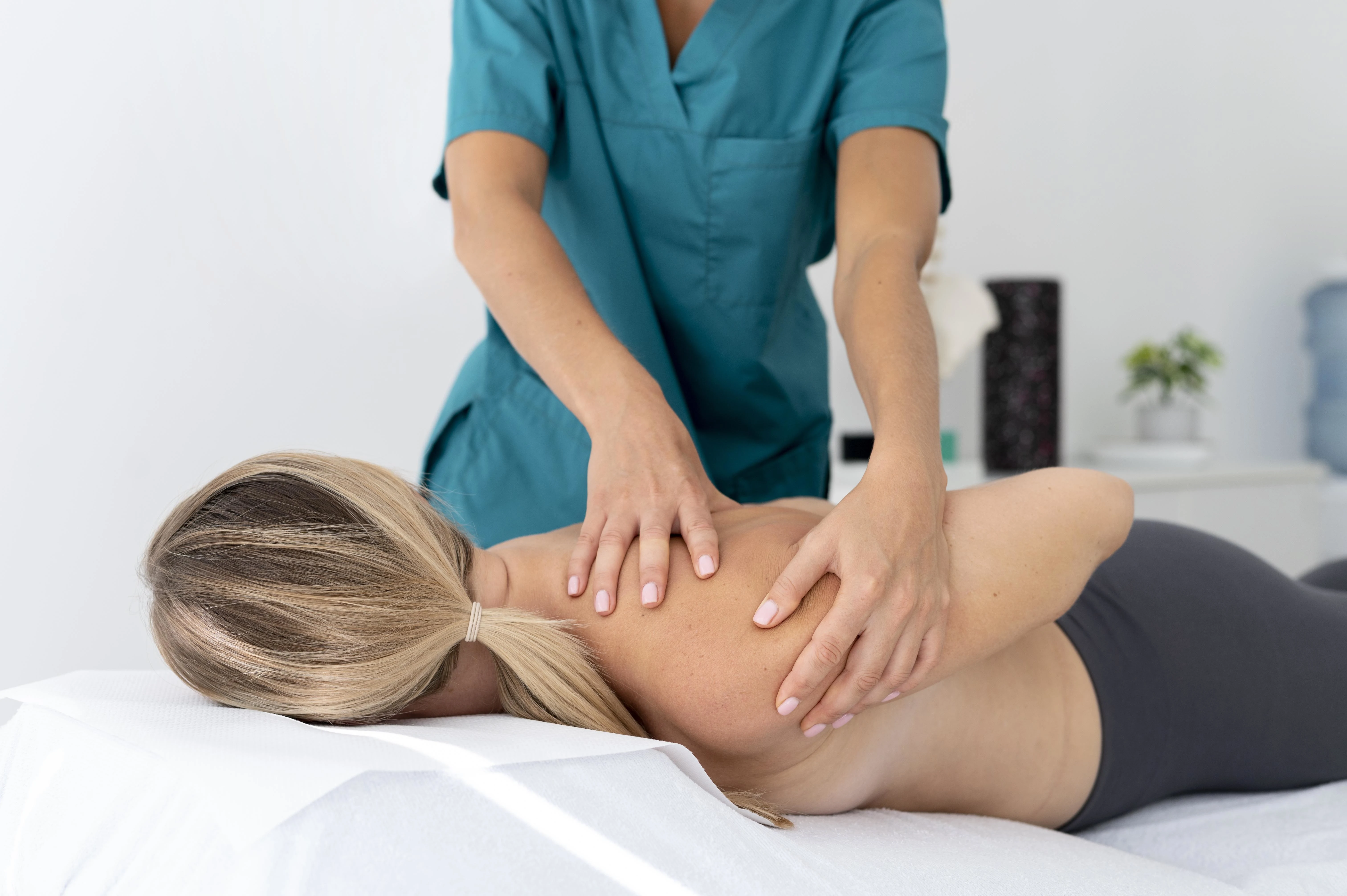
Pressure & Point Therapy
Trigger Point Therapy
Trigger Point Therapy releases the tight, hyperirritable knots in muscle tissue that cause local and referred pain, restoring circulation, flexibility, and comfortable movement.
Explore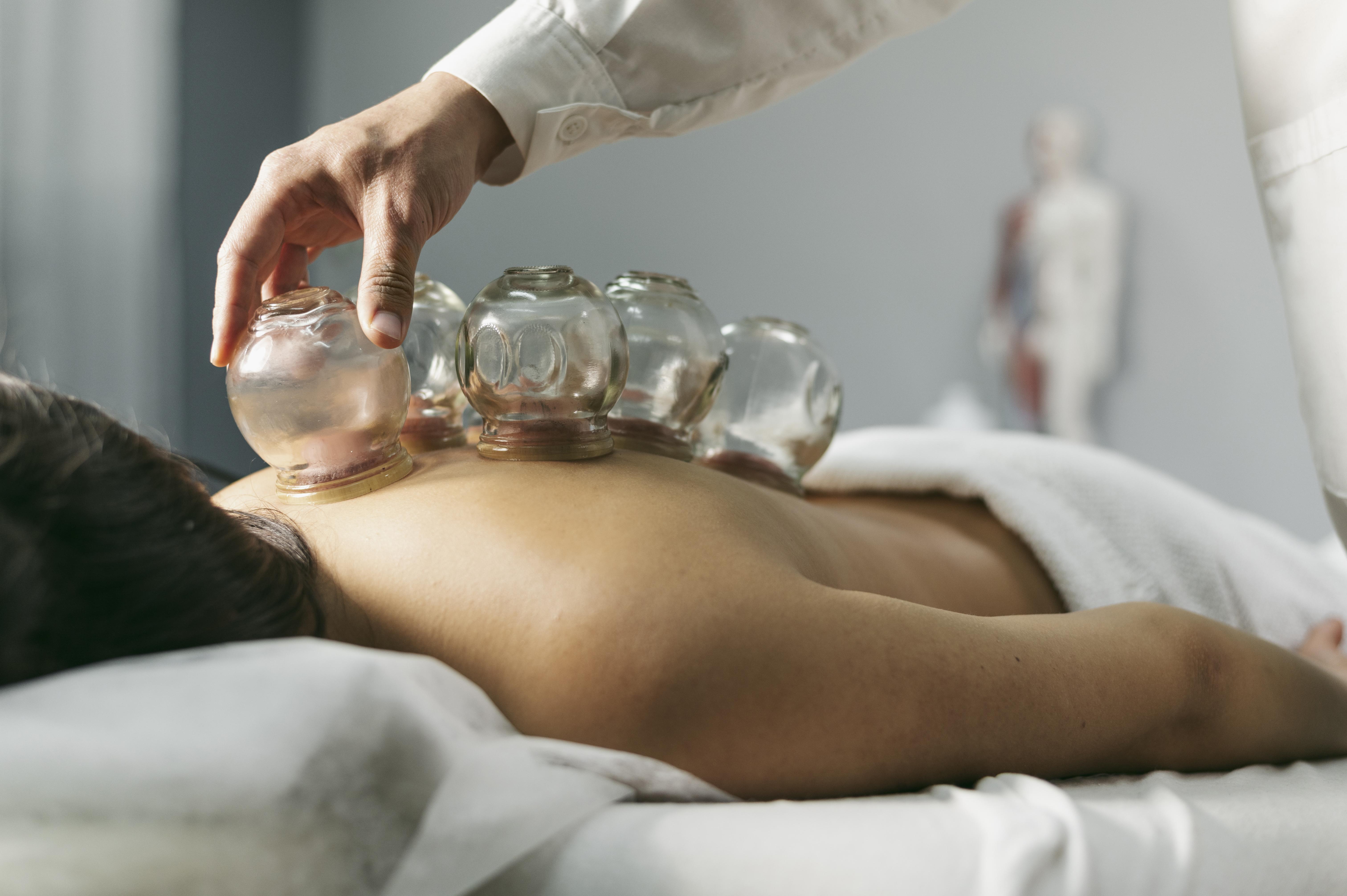
Manual & Structural
Petrissage Technique
Petrissage uses rhythmic kneading, lifting, and rolling of the muscles to release deep-seated tension, boost circulation, and help tired tissue recover — the classic massage stroke that works below the surface.
ExploreExperience Friction Technique at Thangajam Munril
Sessions are held at Thangajam Munril, our multidisciplinary centre in Dindigul, conducted by ALMAYA Coz Raja.