Manual & Structural
Petrissage Technique
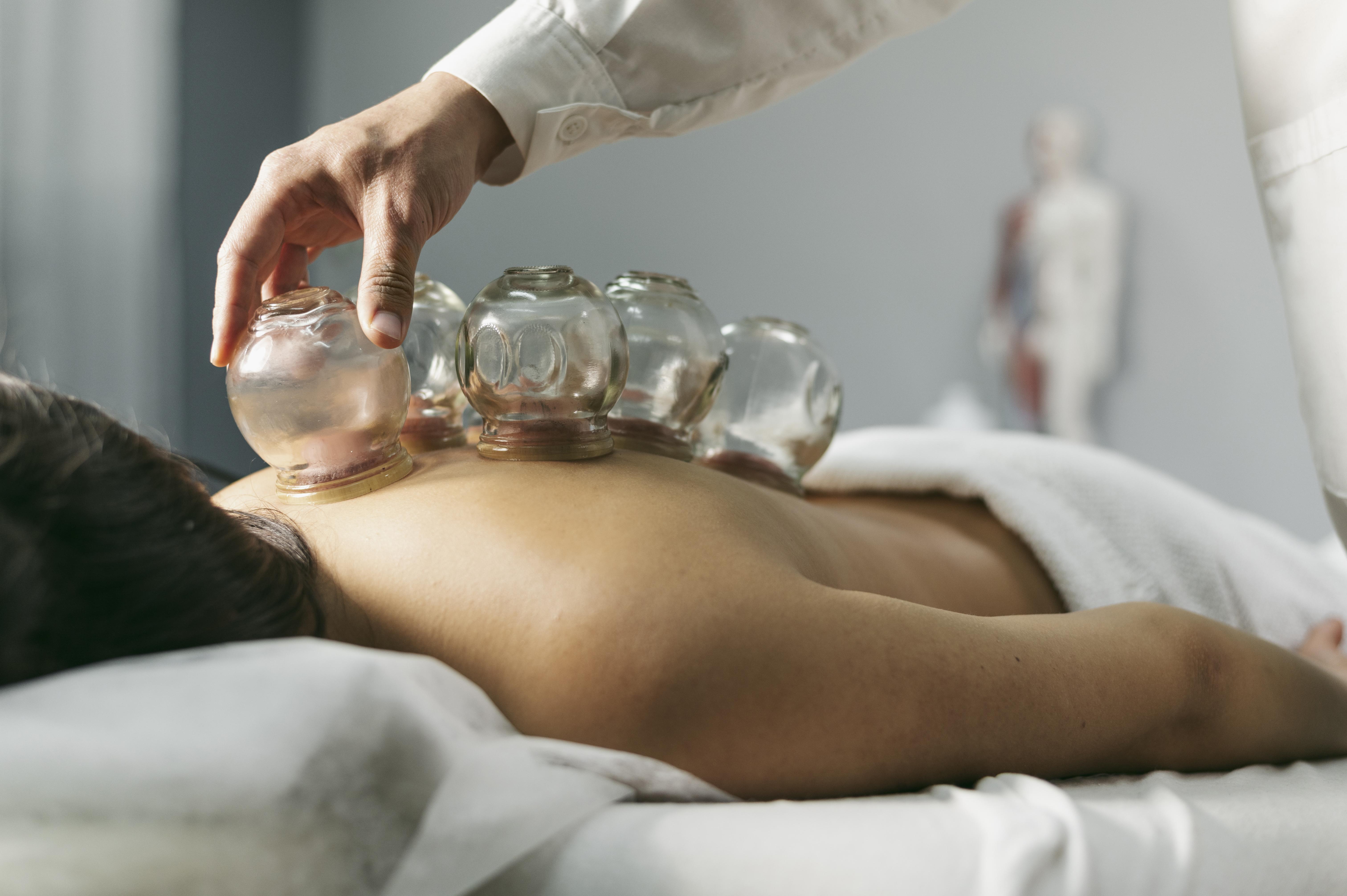
Petrissage uses rhythmic kneading, lifting, and rolling of the muscles to release deep-seated tension, boost circulation, and help tired tissue recover — the classic massage stroke that works below the surface.
- Session length
- 30–45 min
- Typical course
- 6–10 typical
- Intensity
- Gentle
- Suitable for
- Most adults, especially those with muscle tightness, desk-work tension, or post-exercise soreness
How it helps
- Releases knots and deep muscle tension that lighter strokes can't reach
- Improves blood circulation and lymphatic flow through the tissue
- Helps flush metabolic waste from overworked muscles
- Increases muscle flexibility and suppleness
- Eases stress and promotes whole-body relaxation
- Supports faster recovery after sport or physical work
Often chosen for
Tap a condition to see the full condition guide.
What is the Petrissage Technique?
Petrissage — from the French pétrir, "to knead" — is one of the foundation strokes of therapeutic massage. Instead of gliding over the skin, the therapist picks the muscle up: kneading, squeezing, wringing, and rolling the soft tissue in slow, rhythmic movements. Within KiLiK therapy it is used wherever tension has settled deep into the muscle — the shoulders after long desk hours, the calves after standing work, the back after physical strain.
Because the tissue itself is lifted and moved, petrissage reaches layers that lighter strokes simply pass over. It is the part of a massage most people describe as "getting right into the knot".
How it works
Kneading a muscle does several useful things at once. The squeeze-and-release rhythm acts like a pump, pushing fresh blood into the tissue and helping the lymphatic system carry away metabolic waste that builds up in overworked muscles. Lifting and wringing the muscle gently stretches its fibres and loosens adhesions — small areas where tissue layers have become stuck together — restoring smoother, freer movement. The steady rhythm also signals the nervous system to ease off, which is why a petrissage session tends to leave you deeply relaxed as well as physically looser.
What a session feels like
Your therapist begins with warming strokes, then moves into deeper kneading, always working with the direction of the muscle and always within your comfort. The pressure feels firm and purposeful rather than sharp, and many people find the rhythm almost meditative. Afterwards the worked areas usually feel warm, supple, and noticeably lighter — and with regular sessions, muscles that were chronically tight begin to hold their new ease between visits.
What a session looks like
- 1
Warming the tissue
The session begins with light gliding strokes that warm the skin and surface muscles, preparing the deeper layers for kneading work.
- 2
Kneading
The therapist lifts and compresses the muscle between fingers and palm in a slow, rhythmic squeeze-and-release motion — much like kneading dough — working along the length of the muscle.
- 3
Wringing and lifting
Both hands grasp the tissue and move in opposite directions, gently wringing the muscle to stretch its fibres and separate areas that have become stuck together.
- 4
Skin rolling
The skin and the layer beneath it are lifted and rolled between thumbs and fingers, freeing surface restrictions and stimulating local circulation.
- 5
Settling strokes
The area is finished with slower, calming strokes that soothe the worked tissue and leave the muscles feeling warm, loose, and light.
Petrissage Technique — common questions
How is petrissage different from ordinary massage strokes?+−
Ordinary gliding strokes (effleurage) travel over the surface of the muscle. Petrissage lifts, squeezes, and rolls the tissue itself, so it reaches deeper layers where knots and chronic tightness sit.
Will petrissage hurt?+−
It is firmer than a relaxation stroke, but it should stay within a comfortable "good pressure" range. Your therapist adjusts the depth to your feedback throughout the session.
When will I feel the benefit?+−
Most people feel looser and lighter immediately after a session. Long-standing tension usually softens progressively over a course of regular sessions.
Related therapies
Manual & Structural
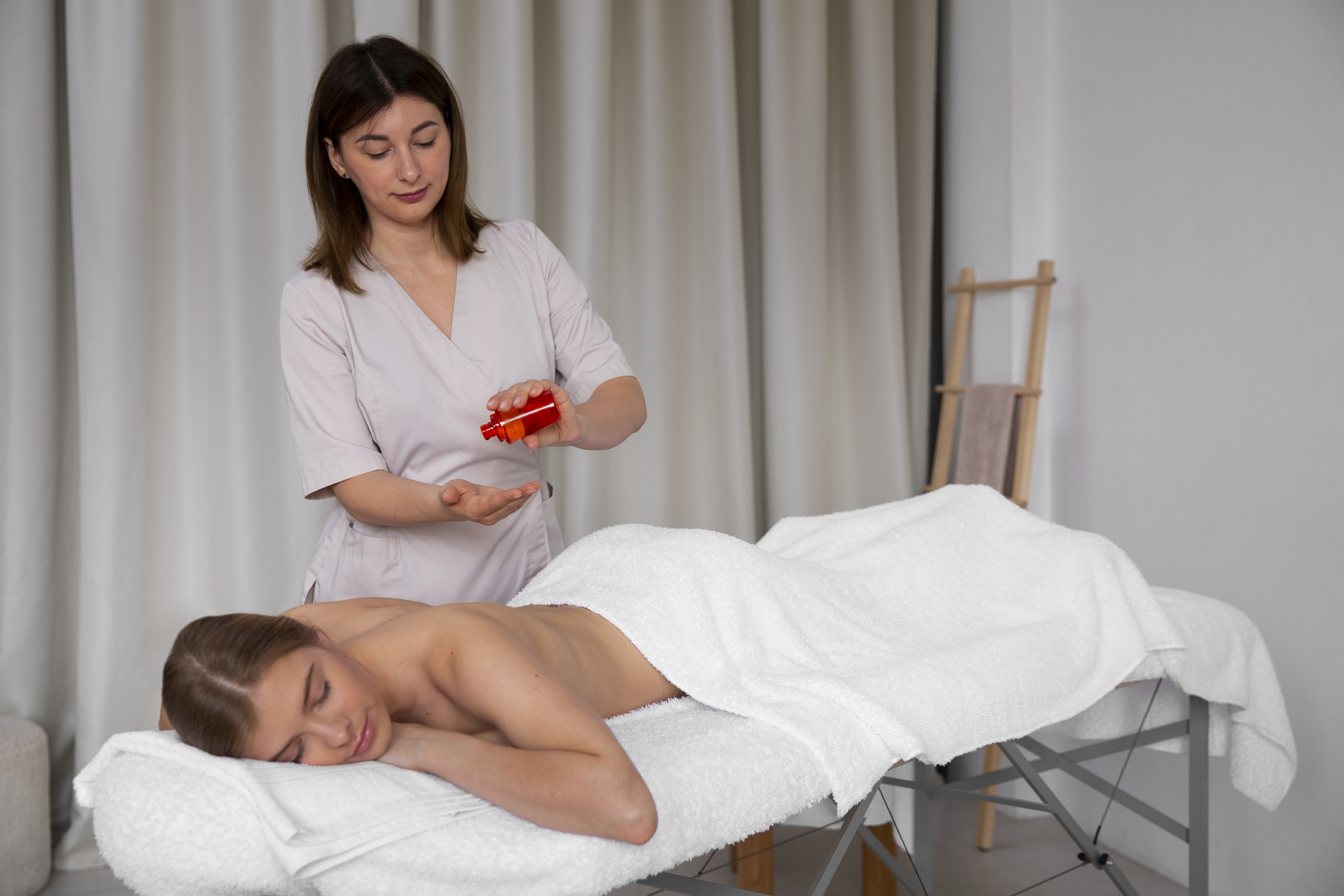
Effleurage Therapy
Effleurage Therapy uses long, gliding strokes with the palms and fingers to warm the tissue, boost circulation and lymph flow, and settle the nervous system into deep relaxation.
Explore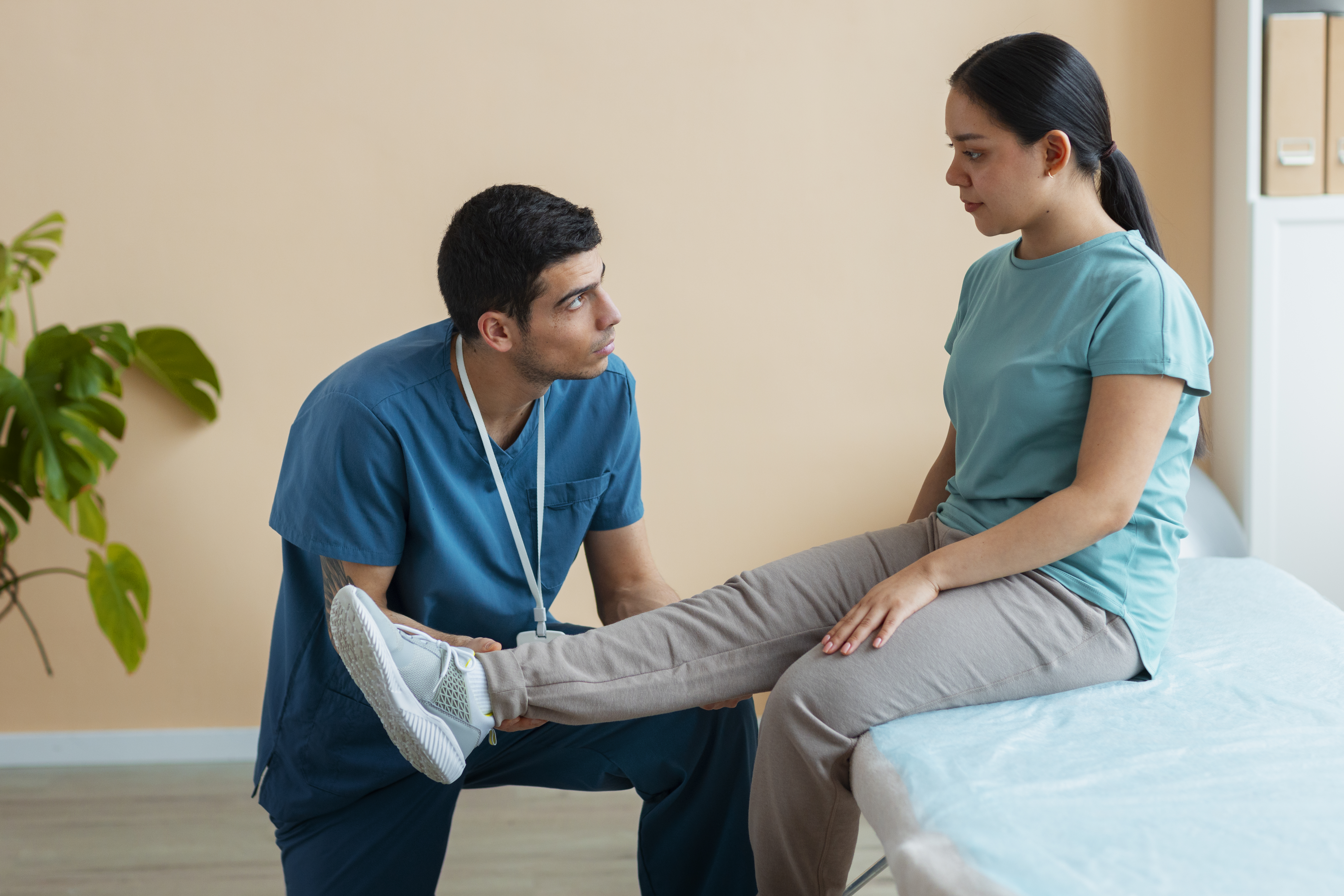
Manual & Structural
Tapotement
Tapotement is rhythmic percussion massage — brisk hacking, cupping, and tapping strokes that wake up circulation, invigorate tired muscles, and help loosen congestion in the chest.
Explore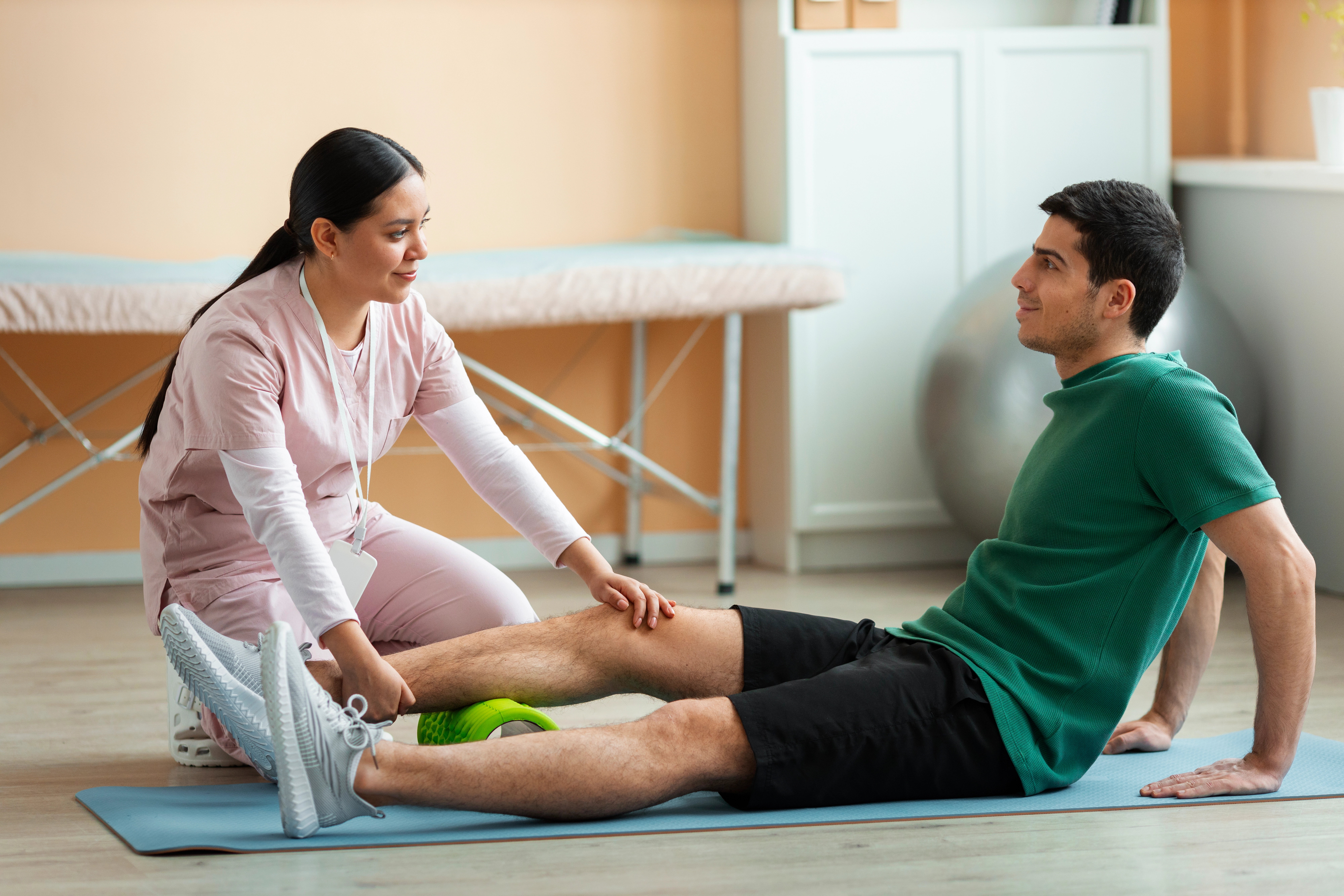
Manual & Structural
Friction Technique
Friction Technique uses small, precise cross-fibre strokes over tendons, ligaments, and muscle to break down adhesions, soften scar tissue, and restore smooth, pain-free movement to a stubborn injury site.
ExploreExperience Petrissage Technique at Thangajam Munril
Sessions are held at Thangajam Munril, our multidisciplinary centre in Dindigul, conducted by ALMAYA Coz Raja.