Movement & Rehabilitation
Tai Chi Physical Therapy
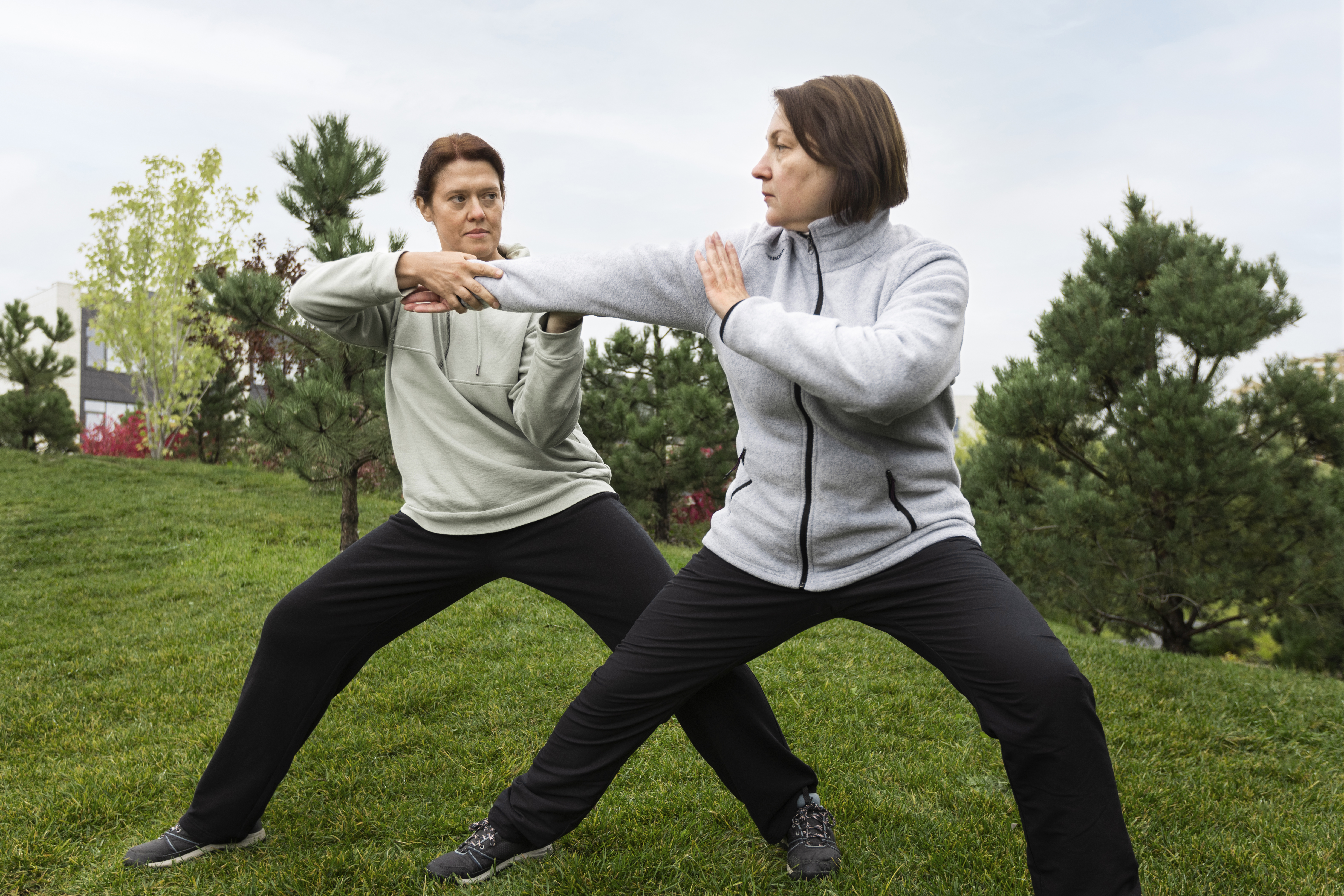
Tai Chi Physical Therapy blends the slow, flowing movements of Tai Chi with guided rehabilitation, building balance, joint strength, and calm focus through gentle practice that almost anyone can do.
- Session length
- 30–45 min
- Typical course
- 6–10 typical
- Intensity
- Gentle
- Suitable for
- All ages and fitness levels, including older adults, those recovering from injury, and anyone with joint pain or balance concerns
How it helps
- Improves balance and coordination, reducing the risk of falls
- Strengthens legs and core without straining the joints
- Eases arthritic stiffness through smooth, low-impact movement
- Calms the mind and lowers stress through breath-led practice
- Builds body awareness, posture, and steady, confident walking
- Gentle enough to continue safely at home for lasting results
Often chosen for
Tap a condition to see the full condition guide.
What is Tai Chi Physical Therapy?
Tai Chi Physical Therapy takes the ancient Chinese movement art of Tai Chi — sometimes called "meditation in motion" — and applies it as guided, therapeutic exercise. Instead of learning long traditional routines for their own sake, you practise carefully chosen, simplified movements selected for what your body needs: steadier balance, stronger legs, freer joints, or a calmer nervous system.
The movements are slow, circular, and continuous, performed with soft knees and an upright, relaxed posture. Because nothing is jarring and every motion can be scaled down, it is one of the most inclusive therapies we offer — genuinely suitable for older adults, people recovering from injury, and complete beginners.
How it works
Tai Chi trains the body and mind at the same time. Physically, the constant slow shifting of weight from one leg to the other strengthens the muscles that keep you upright and sharpens the balance reflexes that prevent falls. Joints move smoothly through their range without impact, which helps nourish cartilage and ease arthritic stiffness. Mentally, the pairing of movement with slow breathing and quiet concentration settles the stress response — many people find it works like moving meditation, leaving them clear-headed and calm.
What a session feels like
Sessions are unhurried and encouraging. After a few minutes of standing and breathing to settle in, your therapist demonstrates each movement and then shapes it to you — adjusting stance width, arm height, and speed until it feels smooth and secure. There is no strain, no sweat-soaked effort, and no need to memorise anything perfectly. Most people finish feeling simultaneously relaxed and quietly worked, with warm legs, an open chest, and a noticeably quieter mind.
What a session looks like
- 1
Centering and breath
Each session opens with quiet standing, settling your weight evenly and linking slow, deep breathing to gentle weight shifts — the foundation of every Tai Chi movement.
- 2
Learning the forms
Your therapist guides you through simple, flowing sequences — slow circular arm movements, controlled weight transfers, and soft, deliberate steps — adapted to your ability and any injury you are recovering from.
- 3
Building balance and strength
As the forms become familiar, they are refined to challenge balance a little more each time: narrower stances, slower transitions, and fuller ranges of motion that quietly strengthen the legs and core.
- 4
Taking the practice home
You leave with a short routine to practise daily. A few mindful minutes at home is where much of the improvement in steadiness, joint comfort, and calm actually takes root.
Tai Chi Physical Therapy — common questions
How can such slow movement be real therapy?+−
Slowness is the point. Moving slowly under control makes the muscles work steadily through the whole range, trains balance reactions safely, and teaches the joints smooth, well-aligned movement — all with almost no impact. Research consistently links Tai Chi practice with fewer falls and less joint pain.
Do I need to be fit or flexible to start?+−
Not at all. Every form can be adapted — made smaller, done holding a chair, or even practised seated. Most people start exactly where they are and progress at their own pace.
How often should I practise between sessions?+−
A little, often, works best. Ten to fifteen minutes of daily home practice deepens what you learn in each session, and most people notice steadier balance and looser joints within a few weeks.
Related therapies
Energy & Traditional
Qigong Energy Healing Therapy
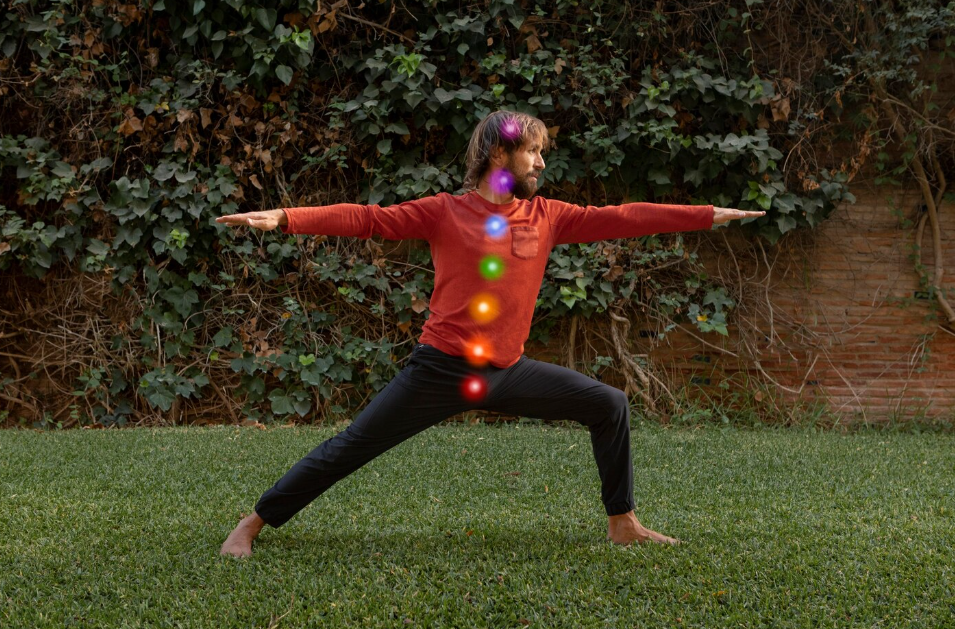
Qigong Energy Healing Therapy blends slow, mindful movement, deep breathing, and focused intention to cultivate the body's vital energy — calming the nervous system, easing tension, and restoring a settled sense of balance.
Explore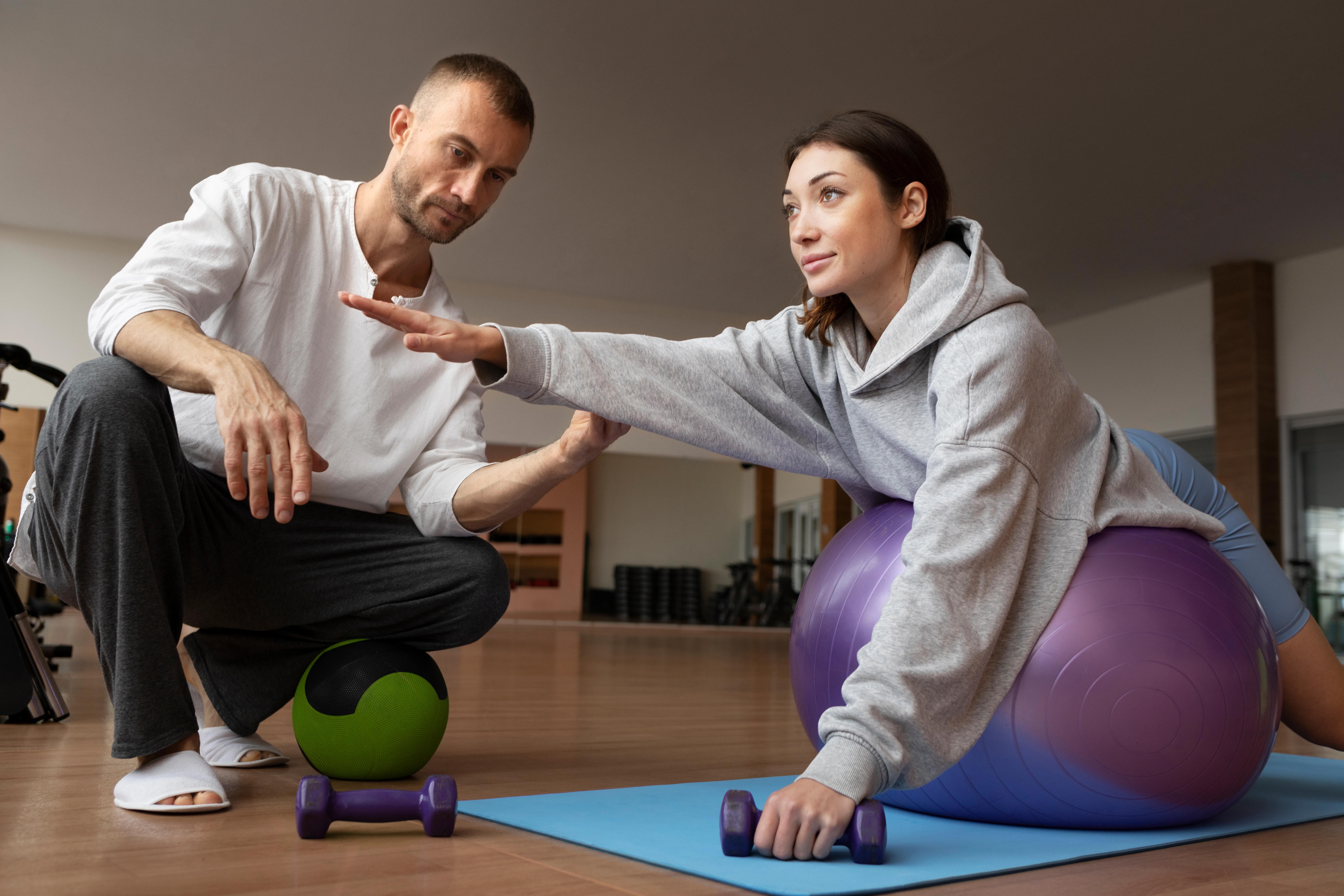
Movement & Rehabilitation
Therapeutic Exercise for Physical Rehabilitation
Therapeutic exercise uses targeted, personalized movement programs to restore strength, mobility, balance, and coordination — helping you recover safely after injury, surgery, or chronic conditions.
Explore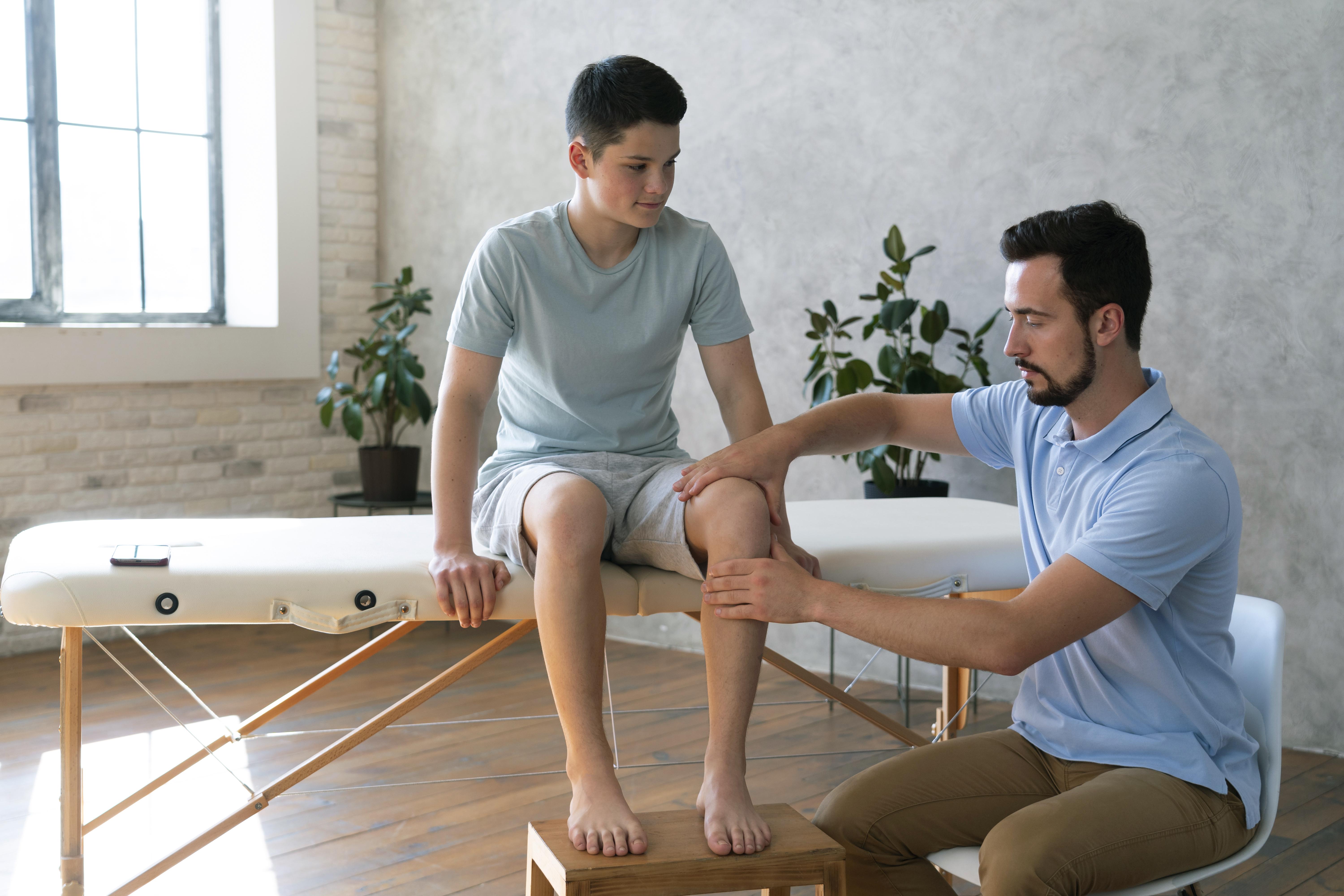
Movement & Rehabilitation
Pilates Therapy
Pilates Therapy builds strength from the centre of the body outward — controlled, low-impact exercises that stabilise the core, improve posture and flexibility, and retrain the way you move.
ExploreExperience Tai Chi Physical Therapy at Thangajam Munril
Sessions are held at Thangajam Munril, our multidisciplinary centre in Dindigul, conducted by ALMAYA Coz Raja.