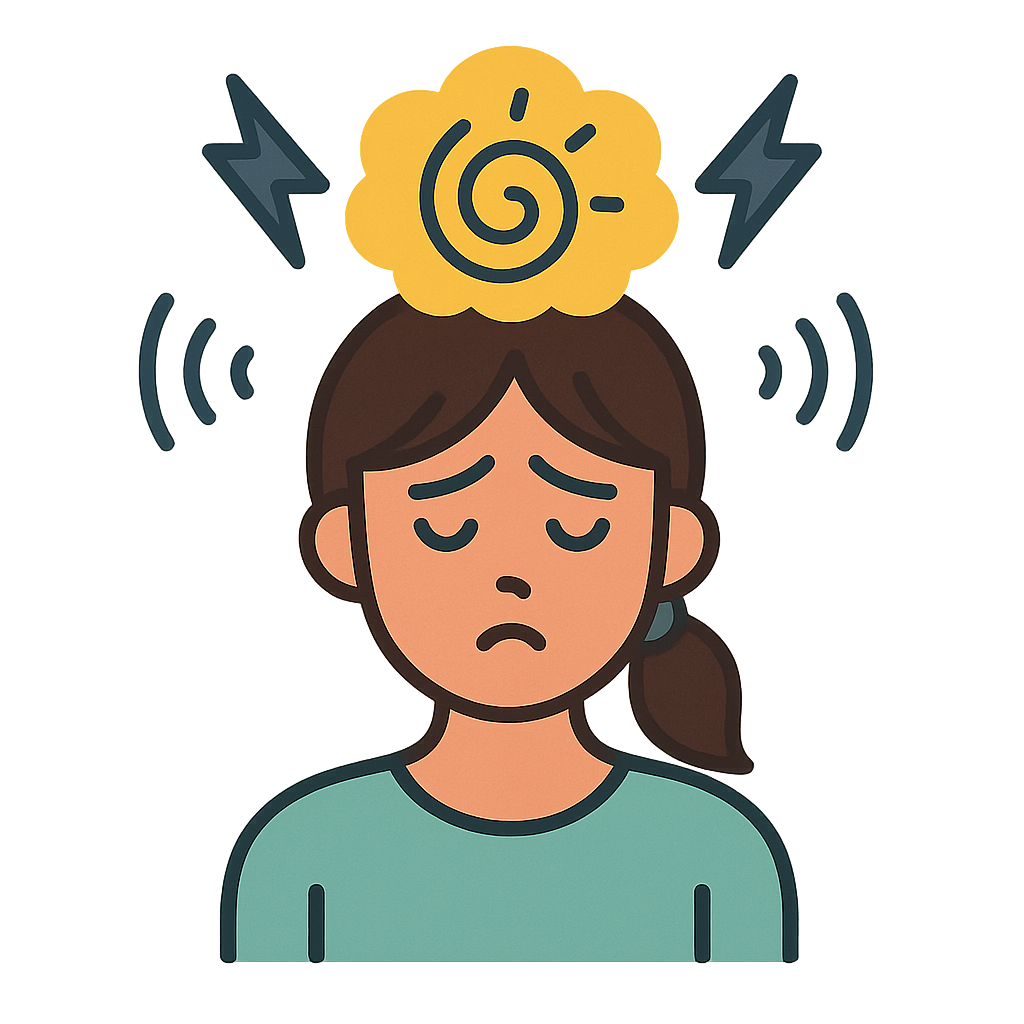
Understanding stress and anxiety
Stress is a body-wide event, not just a state of mind. When the brain senses pressure, it releases hormones that tighten muscles, quicken the heart, and sharpen the senses — perfect for a short emergency, corrosive when it runs all day. Under chronic stress the body forgets how to stand down: shoulders stay hitched, breathing stays shallow, sleep stays light, and the mind reads all that bodily tension as further proof something is wrong.
That loop — anxious mind tensing the body, tense body alarming the mind — is exactly what hands-on therapy is good at interrupting.
How our therapies help
Your plan works the loop from both ends. Relaxation Techniques use guided breathing, calming music, and stillness to quiet the mental side, while Shiatsu applies rhythmic, comforting palm-and-thumb pressure along the back and limbs that persuades braced muscles to finally let go. Acupressure targets specific calming points — at the crown, between the brows, on the wrists — that traditional practice has long used to settle a racing system.
Reflexology completes the session at the feet, where firm, soothing pressure on reflex zones sends the whole body into a deeper state of rest. Session by session, the aim is not just an hour of calm but a retrained baseline: a body that unwinds on its own at the end of the day, and a mind that gets to rest inside it.
Questions we are asked
What does a session feel like?+−
Deeply restful. You lie comfortably clothed while the therapist combines calming pressure work with guided relaxation. Most clients drift into a drowsy, quiet state within minutes, and many fall asleep on the table.
How soon will I feel calmer?+−
Almost everyone leaves the first session noticeably lighter. The deeper goal — a nervous system that stays calm between sessions — usually settles in over a course of 6–10 visits, with better sleep often the first lasting change.
Can these sessions replace counselling or medication?+−
No. They work beautifully alongside professional care, but if anxiety is disrupting your life, or you have panic attacks, persistent low mood, or thoughts of self-harm, please speak with a doctor or mental health professional. Chest pain or breathlessness should always be medically checked first.