Movement & Rehabilitation
Therapeutic Exercise for Physical Rehabilitation
Therapeutic exercise uses targeted, personalized movement programs to restore strength, mobility, balance, and coordination — helping you recover safely after injury, surgery, or chronic conditions.

- Session length
- 30–60 min
- Typical course
- 2–3 per week, per program
- Intensity
- Moderate
- Suitable for
- Recovery after injury, surgery, or chronic conditions
How it helps
- Non-invasive and medication-free recovery
- Restored strength, flexibility, and mobility
- Better balance and reduced fall risk
- Faster post-surgical recovery
- Protection against future injuries
- Greater confidence and independence in daily life
Often chosen for
Tap a condition to see the full condition guide.
What is therapeutic exercise?
Therapeutic exercise is a specialized form of physical activity used in rehabilitation to help people recover from injury, surgery, or chronic conditions. Restore strength, regain mobility, relieve pain — that is the promise, and it is delivered through movement itself. This is more than stretching or working out: every program is a targeted, personalized plan designed to restore your body's function safely and effectively, matched to your condition, your recovery goals, and what your body can do today.
The range of people it helps is wide — athletes returning from sports injuries, patients after fractures or orthopedic surgery, those living with arthritis or joint pain, people managing neurological conditions such as stroke or Parkinson's, and anyone with persistent back and neck pain or postural imbalances.
How a program is built
Recovery works in layers, and a good program reflects that. Range-of-motion exercises come first, restoring flexibility and joint movement. Strengthening exercises then rebuild the muscle support that protects against re-injury. Balance and coordination training sharpens control and reduces fall risk, aerobic conditioning rebuilds stamina and cardiovascular health, and functional training ties it all together by rehearsing the movements of real life — walking, bending, lifting.
What to expect during therapy
Your therapist begins by assessing your current physical condition, then designs a progressive exercise program around it. Each session, your performance is monitored and the plan adjusted, so you are always working at the edge of your ability without overreaching. Along the way you learn injury-prevention habits and at-home exercises that keep progress moving between visits. Sessions typically last 30 to 60 minutes, two to three times a week — and week by week, strength, confidence, and independence return together.
What a session looks like
- 1
Assessment of your condition
The therapist evaluates your current strength, mobility, and movement patterns, along with your recovery goals and physical abilities.
- 2
A progressive exercise program
A personalized plan is designed — from range-of-motion and strengthening work to balance training and functional movement — building gradually as you improve.
- 3
Guided practice and monitoring
You perform each exercise with hands-on guidance while the therapist monitors performance and adjusts the program as needed.
- 4
Education and home exercises
You learn injury-prevention habits and simple at-home exercises so progress continues between sessions.
Therapeutic Exercise for Physical Rehabilitation — common questions
How is therapeutic exercise different from going to the gym?+−
It is more than stretching or working out — each program is a targeted, personalized plan built around your condition, recovery goals, and abilities, progressed safely under professional supervision.
Who can benefit?+−
People recovering from sports injuries, fractures and orthopedic surgeries, arthritis or joint pain, neurological conditions such as stroke or Parkinson's, back and neck pain, and postural issues or muscle imbalances.
How long are sessions and how often will I need them?+−
Sessions typically last 30 to 60 minutes and may be recommended 2–3 times per week, depending on your needs and stage of recovery.
What types of exercise are included?+−
Programs draw on range-of-motion work, strengthening, balance and coordination training, aerobic conditioning, and functional training that rehearses everyday movements like walking, bending, and lifting.
Related therapies
Manual & Structural
Manual Mobilization & Joint Manipulation
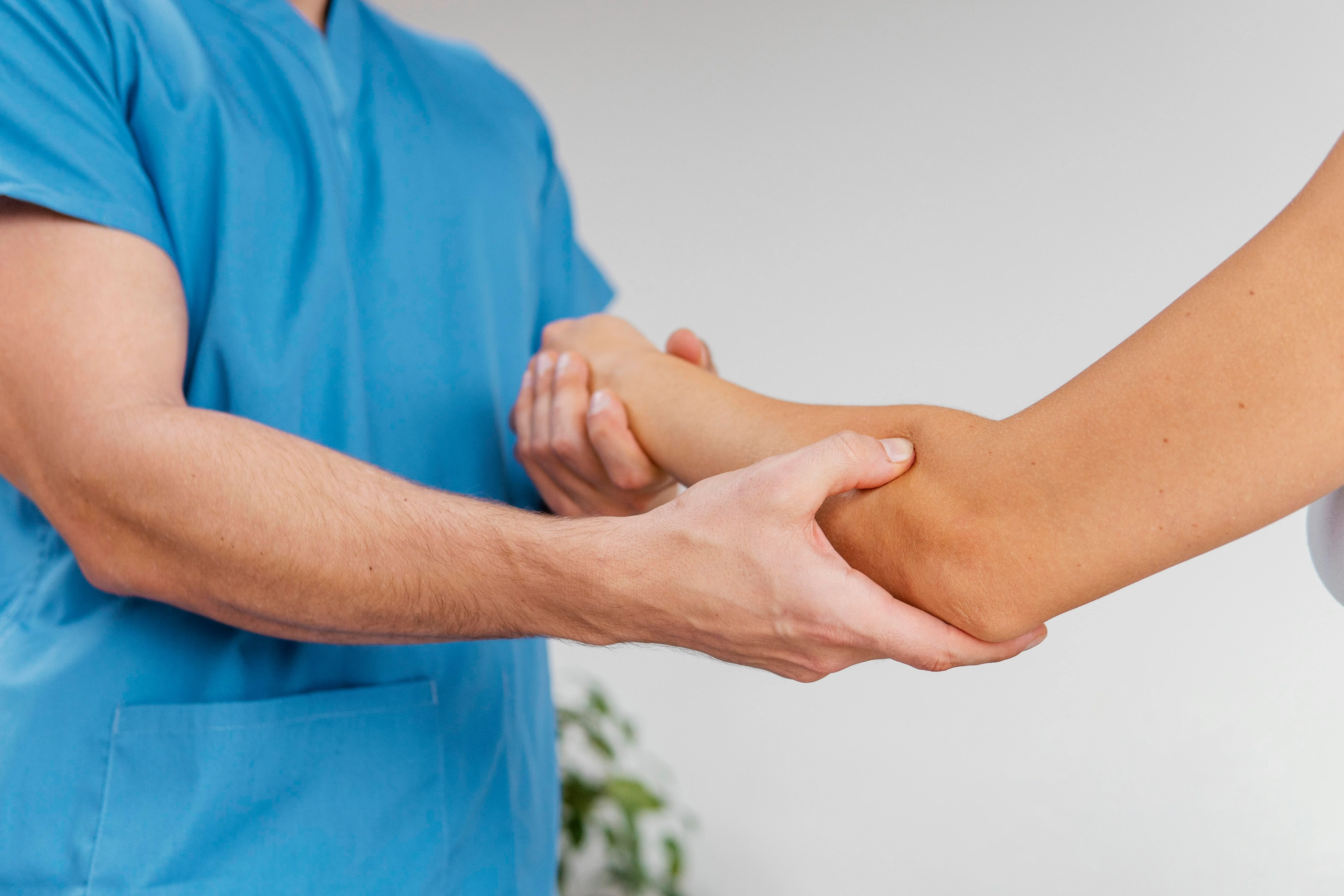
Two skilled hands-on techniques working in synergy — gentle mobilization to loosen stiff joints, precise manipulation to restore alignment — so you move with ease again.
Explore
Manual & Structural
Neuro-Muscular Therapy
Neuro-Muscular Therapy is an advanced bodywork technique that releases nerve and muscle tension, restoring healthy communication between the brain, nerves, and muscles to relieve chronic pain and rebalance the body.
Explore
Manual & Structural
Musculo-Skeletal Manipulation
Controlled, hands-on treatment of muscles, bones, and joints that realigns the body, releases tension, and restores easy movement.
ExploreExperience Therapeutic Exercise for Physical Rehabilitation at Thangajam Munril
Sessions are held at Thangajam Munril, our multidisciplinary centre in Dindigul, conducted by ALMAYA Coz Raja.