Manual & Structural
Neuro-Muscular Therapy
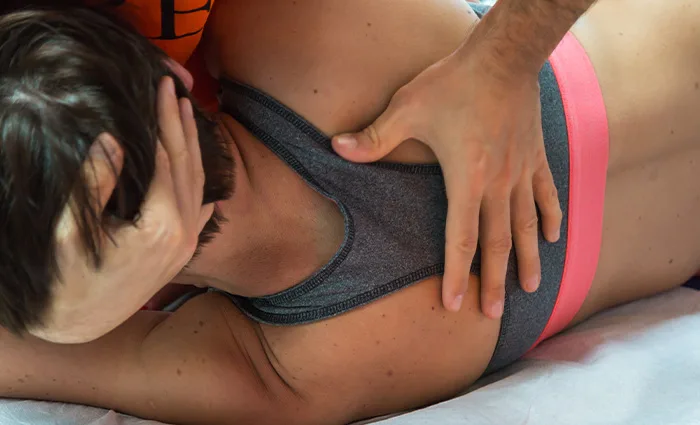
Neuro-Muscular Therapy is an advanced bodywork technique that releases nerve and muscle tension, restoring healthy communication between the brain, nerves, and muscles to relieve chronic pain and rebalance the body.
- Session length
- 30–45 min
- Typical course
- 6–10 typical
- Intensity
- Moderate
- Suitable for
- Chronic pain, postural imbalances, and nerve-related discomfort
How it helps
- Immediate and lasting pain relief
- Improved range of motion and flexibility
- Better posture and body mechanics
- Faster rehabilitation after injury
- Reduced muscle fatigue and tension
- A calmer nervous system and lower stress
Often chosen for
Tap a condition to see the full condition guide.
What is Neuro-Muscular Therapy?
Super Neuro-Muscular Therapy (SNMT) is an advanced form of bodywork that looks beyond sore muscles to the system controlling them. Chronic pain often persists because the conversation between brain, nerves, and muscles has been disrupted — muscles stay switched on when they should relax, or fail to fire when they should work. This therapy restores that communication.
In practice, that means releasing tight muscles and fascia to relieve pain, correcting nerve signal disruptions, improving muscle activation and coordination, and supporting proper posture and body mechanics. It is a gentle yet powerful approach: the goal is not to force change into the tissue but to give the nervous system a reason to let go.
How it works
A session combines several complementary techniques. Neuromuscular trigger point therapy deactivates the painful knots that often refer pain elsewhere in the body. Deep tissue and myofascial release breaks down adhesions that limit movement. Positional release and stretching then re-educate the neuromuscular system, teaching muscles a healthier resting pattern, while manual nerve mobilization improves nerve glide and calms irritation along the nerve pathways.
Why choose SNMT?
This therapy treats the cause, not just the symptoms. It draws on neuromuscular science to retrain the body rather than temporarily soothe it, and every treatment plan is personalized to your posture, history, and goals. People with long-standing neck and shoulder pain, sciatica, repetitive strain injuries, or tension headaches often find relief here after other approaches have only offered short-term comfort. Beyond pain relief, regular sessions support better athletic performance, faster recovery, and long-term prevention — a steadier, more balanced body over time.
What a session looks like
- 1
Assessment of posture and movement
Your therapist evaluates posture, muscle balance, and areas of nerve irritation to map out where tension is being held.
- 2
Trigger point deactivation
Precise, sustained pressure deactivates painful muscle knots that refer pain to other parts of the body.
- 3
Deep tissue and myofascial release
Slow, deliberate strokes break down adhesions in muscle and fascia to restore mobility.
- 4
Positional release and stretching
Gentle positioning and stretching re-educate the neuromuscular system so muscles activate and coordinate properly.
- 5
Manual nerve mobilization
Careful mobilization improves nerve glide and reduces irritation along the nerve pathways.
Neuro-Muscular Therapy — common questions
What makes Neuro-Muscular Therapy different from a regular massage?+−
Rather than general relaxation, it targets the cause of pain — correcting nerve signal disruptions and restoring proper communication between nerves and muscles, not just easing tight tissue.
Who can benefit from this therapy?+−
People with chronic back, neck, or shoulder pain, postural distortion, sciatica or nerve-related discomfort, repetitive strain injuries, tension headaches, and athletes recovering from injury.
Is the treatment painful?+−
Work on trigger points can feel intense for a moment, but the approach is gentle yet powerful, and pressure is always tailored to your tolerance.
How many sessions will I need?+−
Many people feel a difference after the first session, but a course of 6–10 sessions is typical for lasting change in chronic patterns.
Related therapies
Pressure & Point Therapy
Trigger Point Therapy
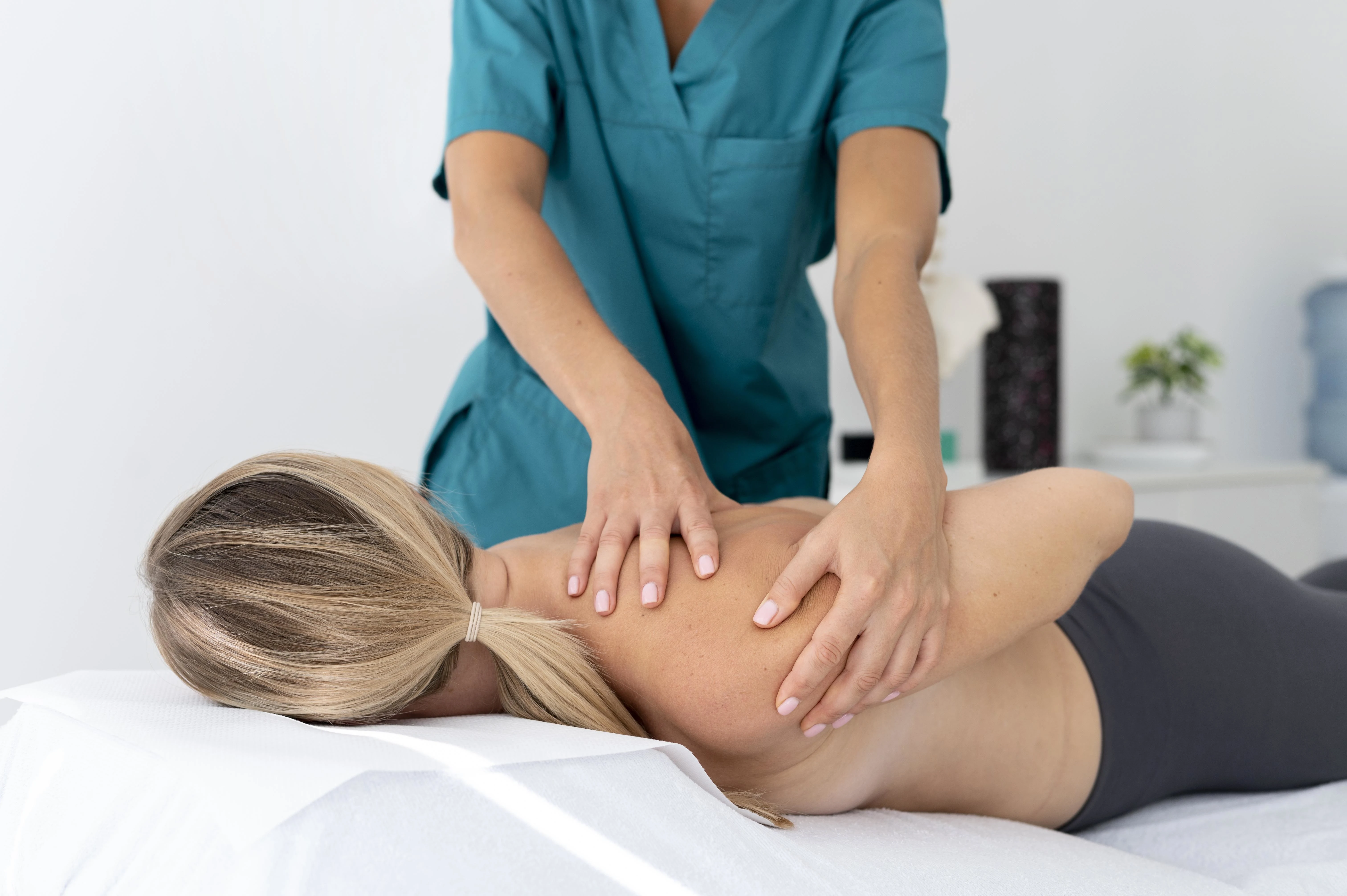
Trigger Point Therapy releases the tight, hyperirritable knots in muscle tissue that cause local and referred pain, restoring circulation, flexibility, and comfortable movement.
Explore
Manual & Structural
Myotherapy & Zero Balancing
Myotherapy & Zero Balancing pairs hands-on muscle treatment with gentle energy-and-structure balancing, easing pain at both the physical and energetic levels for deep, lasting recovery.
Explore
Manual & Structural
Musculo-Skeletal Manipulation
Controlled, hands-on treatment of muscles, bones, and joints that realigns the body, releases tension, and restores easy movement.
ExploreExperience Neuro-Muscular Therapy at Thangajam Munril
Sessions are held at Thangajam Munril, our multidisciplinary centre in Dindigul, conducted by ALMAYA Coz Raja.