Manual & Structural
Strain-Counterstrain Technique
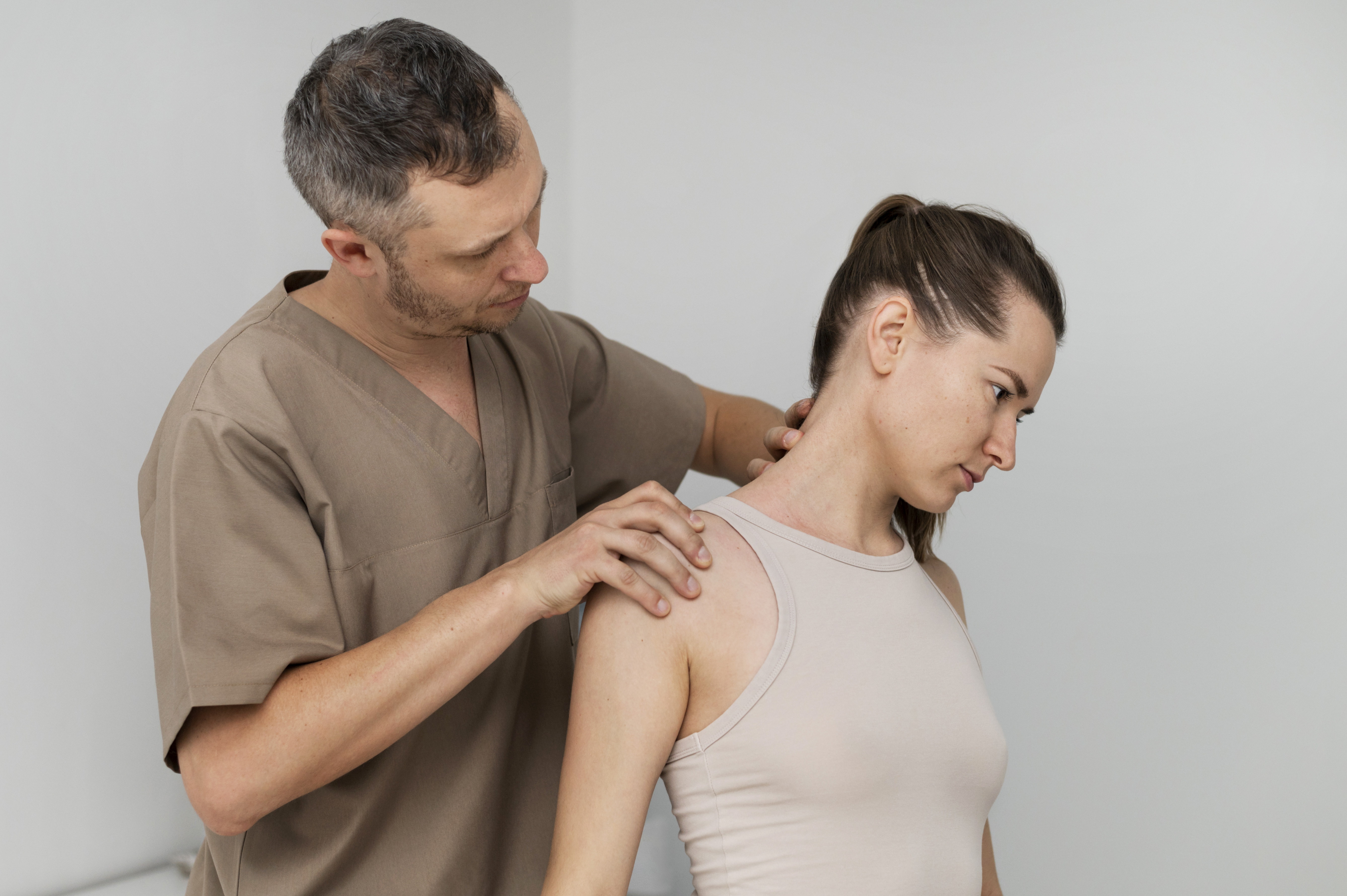
Strain-Counterstrain relieves painful, knotted muscles by moving the body into positions of complete comfort and holding them there, letting irritated tissue switch off its protective spasm — no force, no deep pressure.
- Session length
- 30–45 min
- Typical course
- 3–6 typical
- Intensity
- Gentle
- Suitable for
- People in acute pain, the elderly, and anyone too sensitive or sore for deep tissue work — treatment happens only in pain-free positions
How it helps
- Releases tender, knotted muscles without deep pressure or force
- Eases acute pain and protective muscle spasm quickly
- Restores comfortable range of motion in the neck, back, and joints
- Gentle enough for acute injuries and sensitive or elderly clients
- Calms the nervous system, reducing overall tension and stress
- Helps prevent minor strains from becoming lasting stiffness
Often chosen for
Tap a condition to see the full condition guide.
What is the Strain-Counterstrain Technique?
Strain-Counterstrain is a remarkably gentle manual therapy developed by American osteopath Dr. Lawrence Jones. Its insight is simple and counterintuitive: instead of stretching or pressing a painful muscle, the therapist moves the body toward the position it finds most comfortable — the position the muscle has been trying to reach — and holds it there. In that state of complete ease, the tissue is finally able to release the protective spasm it has been holding, sometimes for years.
Because nothing is forced, it is one of the safest techniques for acute pain, recent strains, and clients who cannot tolerate deep pressure.
How it works
When a muscle is strained or startled, tiny sensors inside it called muscle spindles can become stuck on high alert, keeping the muscle contracted long after the original threat has passed. This shows up as tender points — small, sore spots that mark the guarded tissue. By folding the joint into the position of maximum comfort, the therapist puts that tissue completely on slack. Held there for about 90 seconds, the spindles stop firing their alarm, the nervous system recalibrates, and the muscle releases. A slow, careful return to neutral prevents the reflex from re-engaging.
What a session feels like
A session feels closer to being carefully arranged into comfortable resting positions than to being treated. The therapist supports the weight of your head, arm, or leg while easing it into ease, holds it quietly, then returns it with deliberate slowness. Most people find it deeply relaxing, and the recheck at the end often brings a small surprise: a point that was wince-inducing minutes earlier now barely registers, and the joint moves further, more freely, without effort.
What a session looks like
- 1
Finding the tender points
The therapist palpates gently to locate the small, distinctly tender points in muscle and connective tissue that mark where the body is holding a protective spasm.
- 2
Positioning into comfort
While monitoring the tender point, the therapist slowly folds the affected joint or limb into the exact position where the tenderness melts away — the position of maximum ease, never of stretch or strain.
- 3
Holding for release
That comfortable position is held for around 90 seconds. With the tissue fully slackened, the overactive nerve signals driving the spasm quiet down and the muscle lets go.
- 4
Slow return and recheck
The therapist returns your body to neutral very slowly — this matters, as a quick return can re-trigger the spasm — then rechecks the point, which is usually far less tender and moves more freely.
Strain-Counterstrain Technique — common questions
Why does simply holding a comfortable position release pain?+−
A tender, knotted muscle is usually caught in a protective reflex — its internal sensors keep firing as though the muscle were still in danger. Placing the tissue in a fully slackened position for about 90 seconds lets those sensors reset, and the spasm switches off from the inside.
Does Strain-Counterstrain hurt?+−
No — the defining rule of the technique is comfort. Apart from light initial pressure to find the tender points, treatment happens entirely in pain-free positions. That is what makes it suitable even for acute injuries and very sensitive people.
How quickly will I feel a difference?+−
Tender points often ease noticeably within the same session, and movement usually feels freer straight away. Longstanding patterns typically need a short series of sessions, with simple positioning exercises to continue at home.
Related therapies
Manual & Structural
Positional Release Therapy
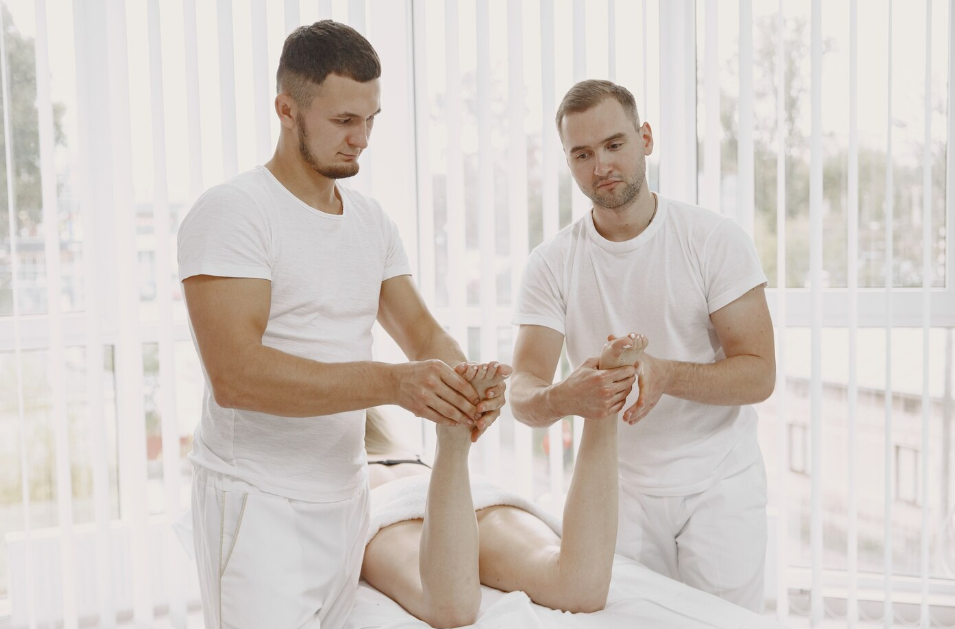
Positional Release Therapy relieves painful muscle knots by moving the body into positions of complete comfort and holding them there, letting tense tissue switch off on its own — no forceful pressing or stretching required.
Explore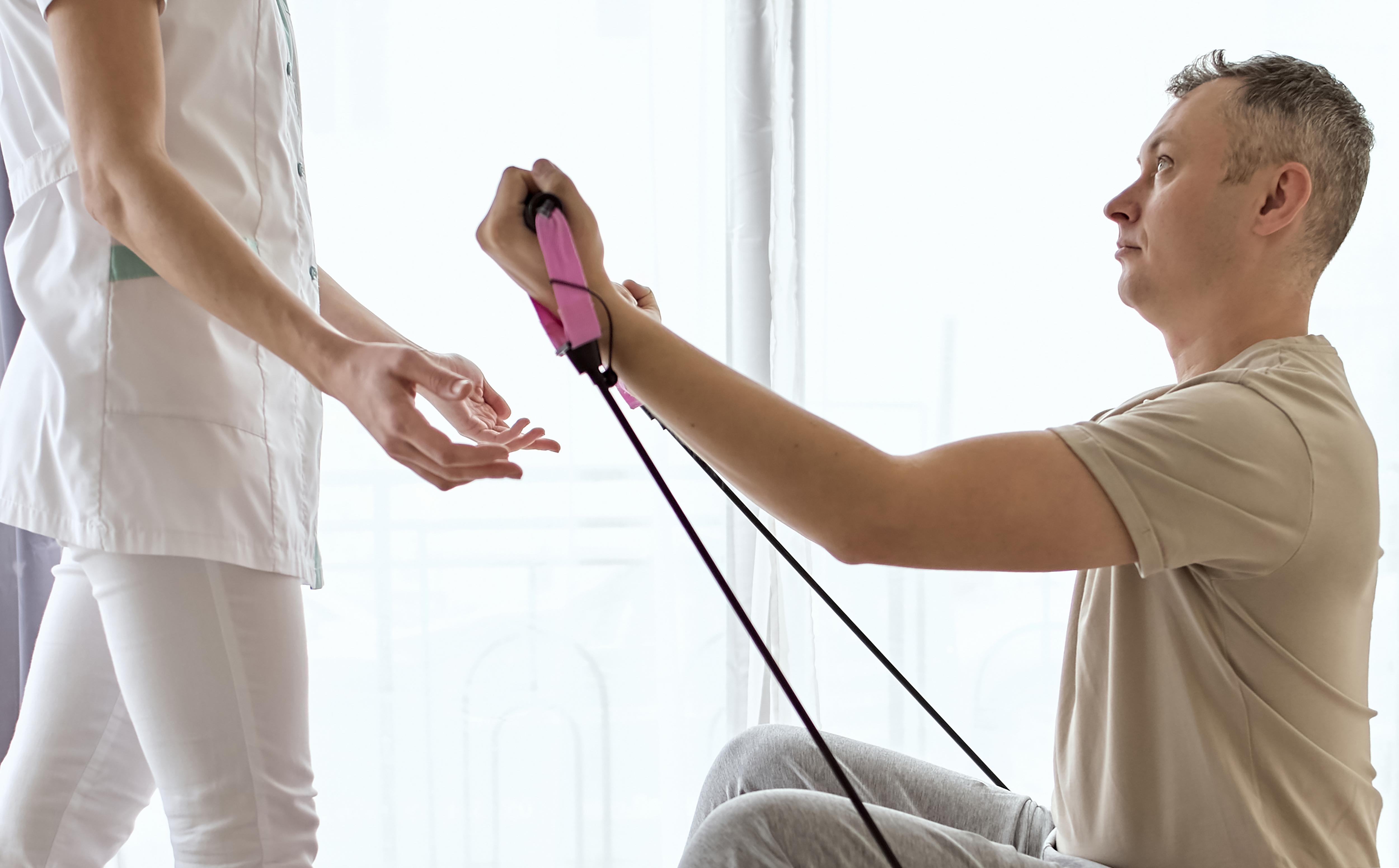
Manual & Structural
Bowtech Therapy
Bowtech, the original Bowen Technique, uses light rolling moves over muscles and connective tissue — separated by deliberate pauses — to prompt the body's own deep relaxation and self-repair response.
Explore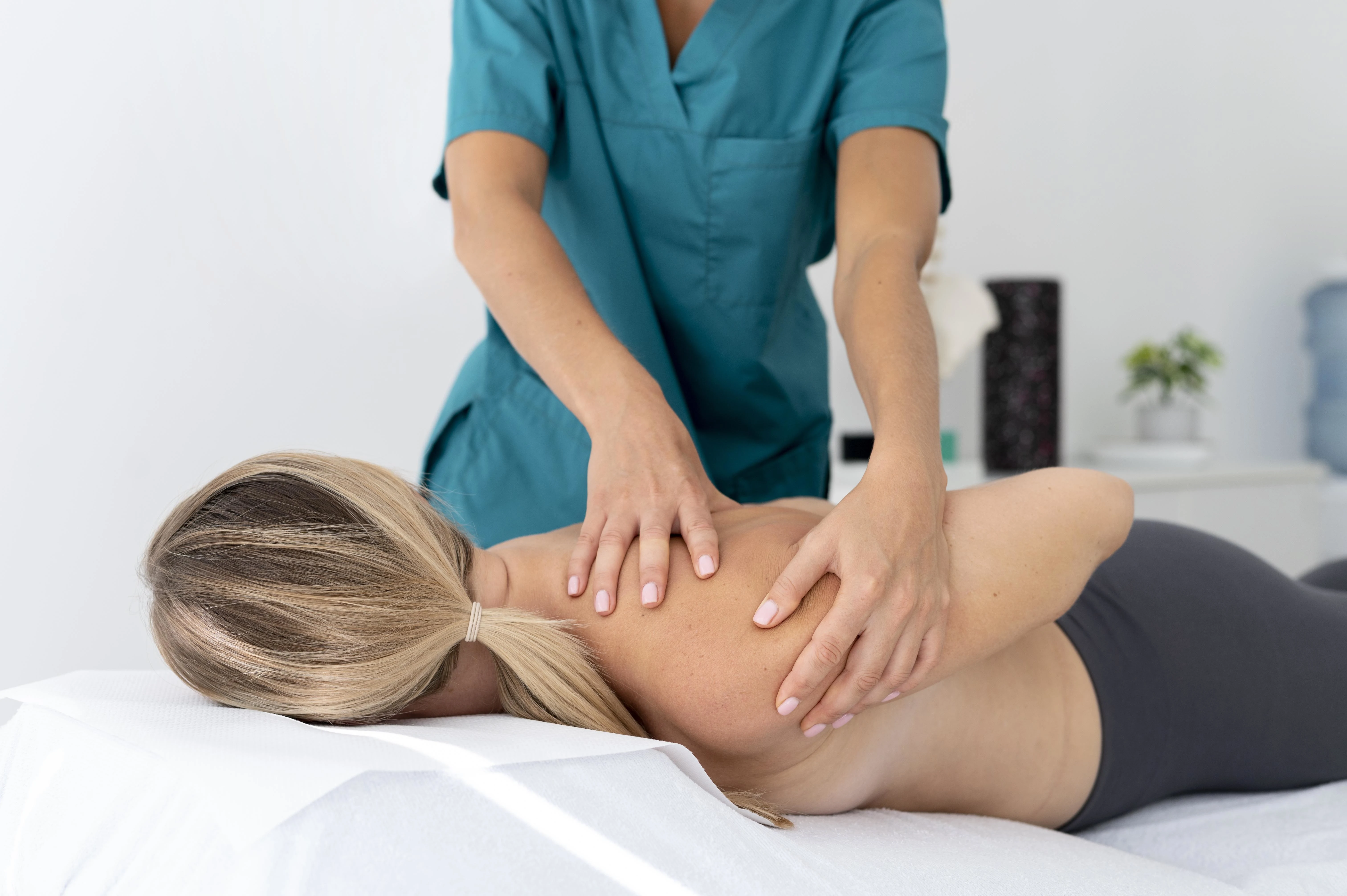
Pressure & Point Therapy
Trigger Point Therapy
Trigger Point Therapy releases the tight, hyperirritable knots in muscle tissue that cause local and referred pain, restoring circulation, flexibility, and comfortable movement.
ExploreExperience Strain-Counterstrain Technique at Thangajam Munril
Sessions are held at Thangajam Munril, our multidisciplinary centre in Dindigul, conducted by ALMAYA Coz Raja.