Movement & Rehabilitation
Pediatric Physical Therapy
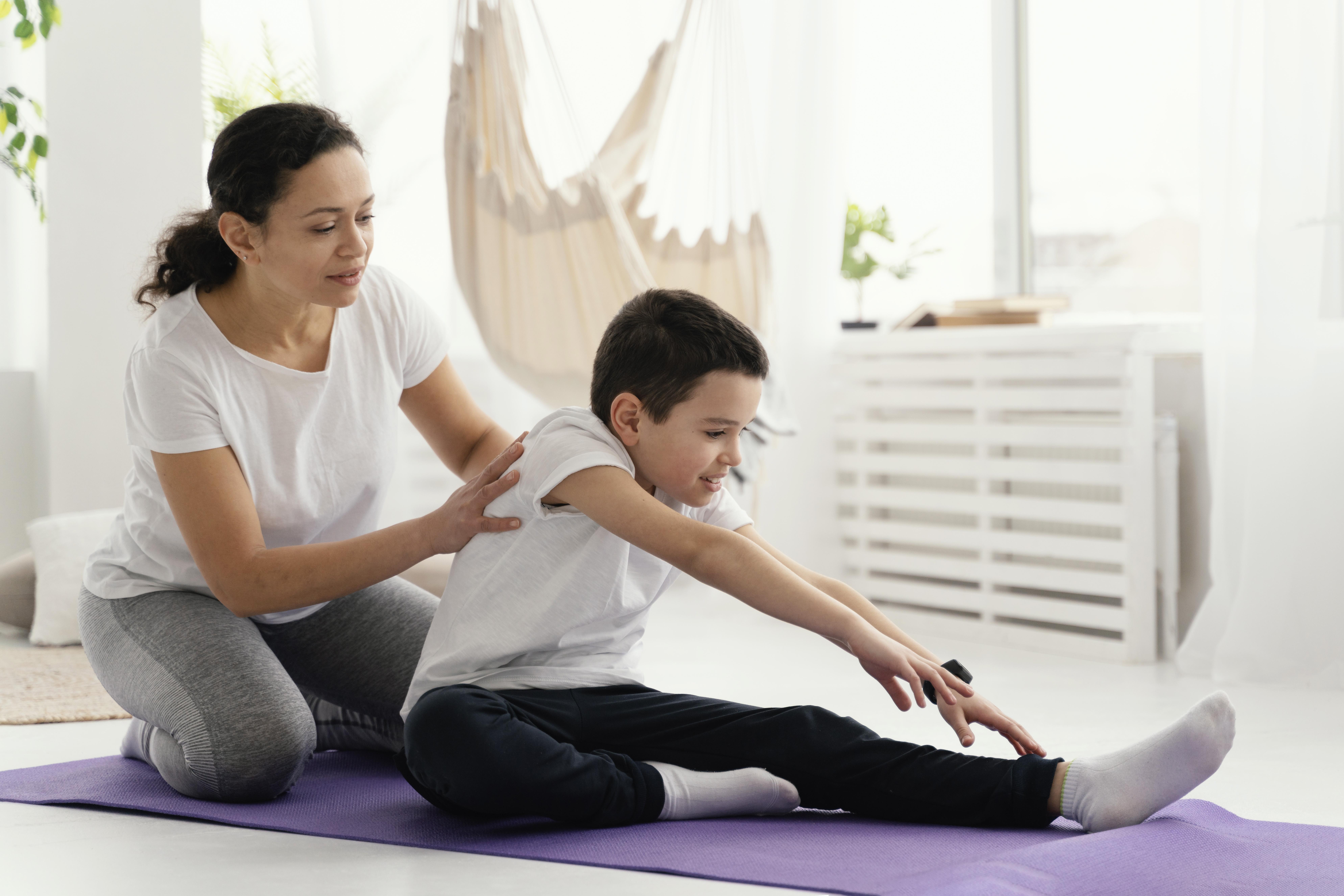
Pediatric Physical Therapy uses play-based movement, gentle hands-on work, and guided exercise to help babies, children, and teens build strength, balance, and confident movement as they grow.
- Session length
- 30–45 min
- Typical course
- 6–10 typical
- Intensity
- Gentle
- Suitable for
- Infants, children, and teenagers — sessions are adapted to each child's age and stage of development
How it helps
- Supports motor milestones like rolling, sitting, crawling, and walking
- Builds strength, balance, and coordination through guided play
- Improves posture and healthy movement habits during growth
- Helps children recover safely after injury or surgery
- Eases muscle tightness and joint stiffness with gentle hands-on care
- Builds a child's confidence in their own body and movement
Often chosen for
Tap a condition to see the full condition guide.
What is Pediatric Physical Therapy?
Pediatric Physical Therapy is physical therapy designed specifically for growing bodies — from infants working toward their first milestones to teenagers recovering from sports injuries. Rather than scaling down adult treatment, it starts from how children actually develop, move, and learn, and uses that to build strength, balance, flexibility, and coordination.
Children may come because a milestone like sitting or walking is arriving late, because of muscle tightness or postural habits, or simply to move better and more confidently after an injury or a period of inactivity.
How it works
Children learn movement through repetition and play, so that is exactly how the therapy works. The therapist first observes how your child moves — their posture, gait, balance, and the way they use their hands and feet — and then designs activities that gently challenge the areas that need support. A balancing game strengthens the trunk; a reaching game opens tight shoulders; an obstacle course trains coordination.
Alongside the active work, gentle hands-on techniques — soft stretches, careful positioning, and light mobilization — help release tight tissue and encourage joints to move freely. Because a child's body is still developing, small, consistent inputs can produce meaningful change, which is why regular sessions combined with short home activities tend to work best.
What a session feels like
To a child, a good session feels mostly like playtime with a purpose. The therapist keeps instructions short, celebrates small wins, and follows the child's energy, alternating effort with rest. Parents are part of the team throughout: you watch what works, learn the home activities, and see progress measured in real things — steadier steps, straighter posture, a first confident jump — rather than abstract scores.
What a session looks like
- 1
Getting to know your child
The first session is a relaxed assessment. The therapist watches how your child moves, plays, sits, and walks, and talks with you about their history and what you would like help with.
- 2
Play-based movement work
Exercise is woven into games your child actually enjoys — reaching, balancing, climbing, and crawling activities that quietly build strength and coordination without feeling like therapy.
- 3
Gentle hands-on techniques
Where it helps, the therapist uses soft stretching, positioning, and light manual work to ease tight muscles, guide joints, and encourage healthy movement patterns.
- 4
Practice for home
You leave each session with a few simple activities to try at home, so progress continues between visits and parents stay part of the process.
Pediatric Physical Therapy — common questions
At what age can a child start physical therapy?+−
There is no minimum age. Infants can be seen for concerns like delayed rolling or head preference, while older children come for posture, coordination, or recovery after injury. The approach is simply adapted to each stage.
Will my child find the sessions boring or scary?+−
Sessions are built around play. Most children experience them as games — climbing, reaching, and balancing challenges — and look forward to coming back. Parents stay in the room, which helps younger children feel secure.
How long before we see progress?+−
It depends on the goal. Simple strength and balance gains often show within a few weeks of regular sessions and home practice, while developmental goals build more gradually. The therapist reviews progress with you along the way.
Related therapies
Movement & Rehabilitation
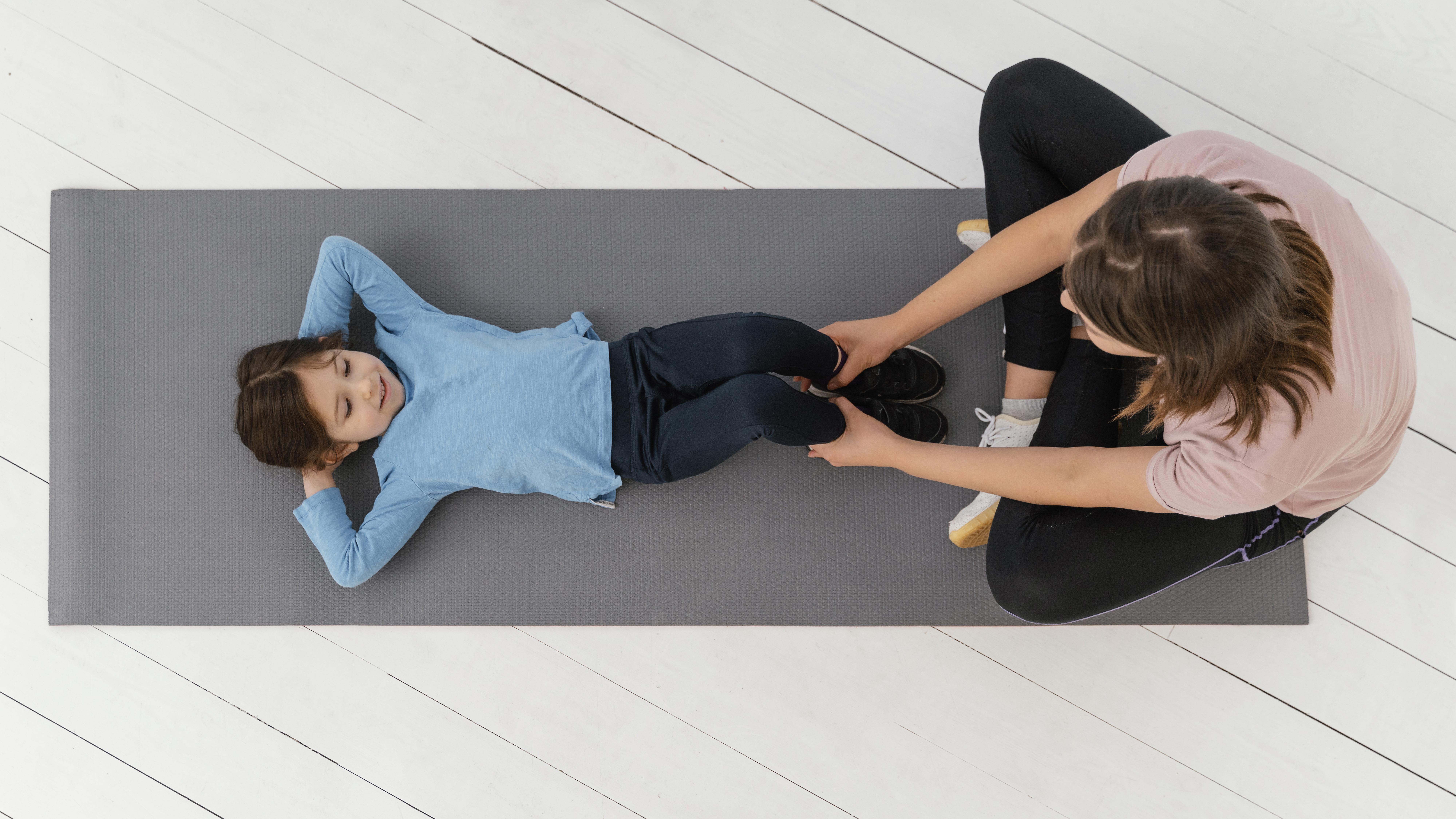
Vojta Therapy
Vojta Therapy uses gentle, precisely placed pressure to awaken the body's inborn movement patterns — reflex locomotion — helping retrain posture, balance, and coordination from the nervous system outward.
Explore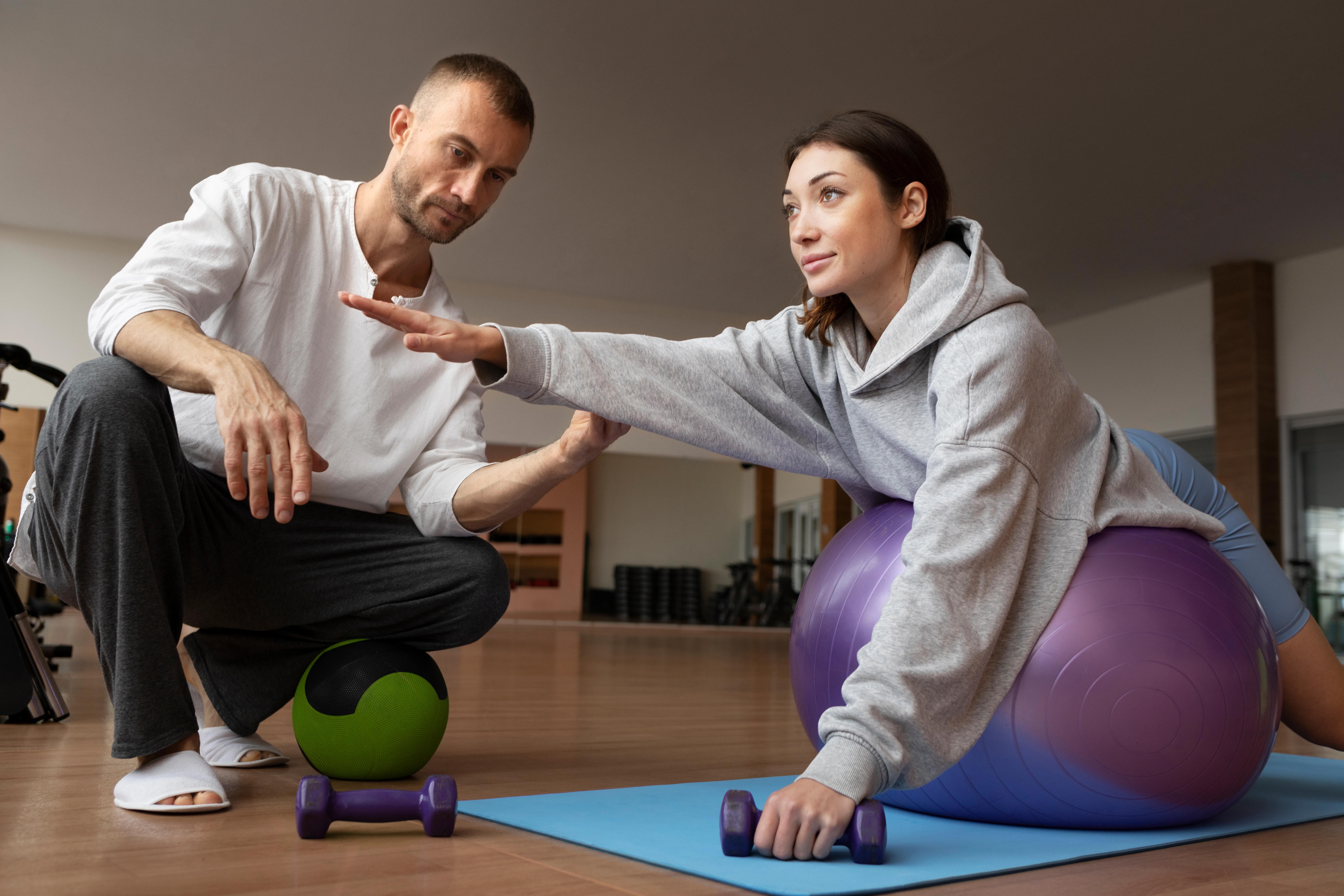
Movement & Rehabilitation
Therapeutic Exercise for Physical Rehabilitation
Therapeutic exercise uses targeted, personalized movement programs to restore strength, mobility, balance, and coordination — helping you recover safely after injury, surgery, or chronic conditions.
Explore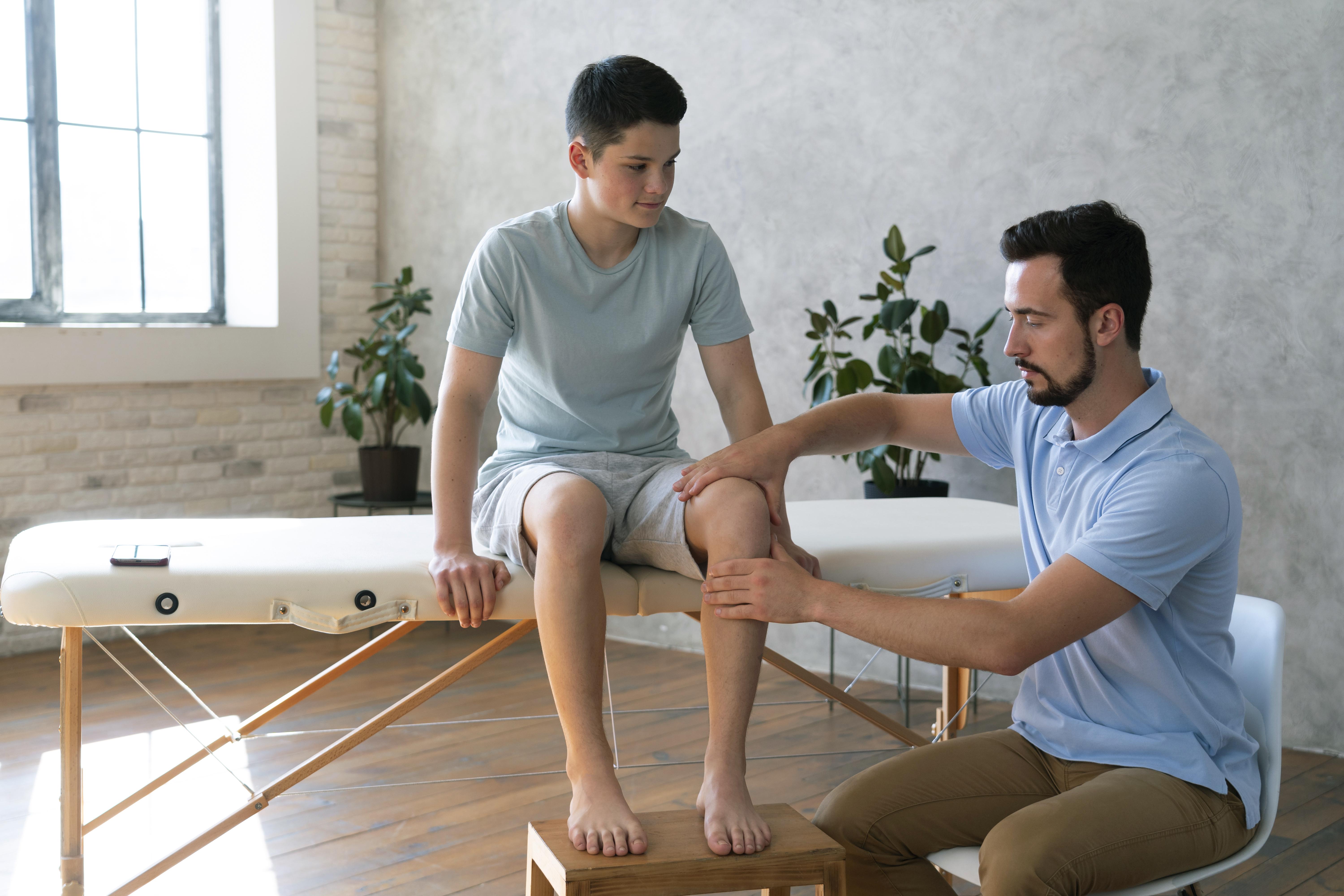
Movement & Rehabilitation
Pilates Therapy
Pilates Therapy builds strength from the centre of the body outward — controlled, low-impact exercises that stabilise the core, improve posture and flexibility, and retrain the way you move.
ExploreExperience Pediatric Physical Therapy at Thangajam Munril
Sessions are held at Thangajam Munril, our multidisciplinary centre in Dindigul, conducted by ALMAYA Coz Raja.