Manual & Structural
Integrative Manual Therapy
A comprehensive hands-on approach that blends the best of manual therapies — tailored to your structural and neurological needs to heal the root cause, not just the symptoms.

- Session length
- 45–60 min
- Typical course
- 6–10 typical
- Intensity
- Moderate
- Suitable for
- Complex, chronic, or stubborn conditions needing personalised care
How it helps
- Targeted pain relief and reduced inflammation
- Improved flexibility and range of motion
- Enhanced muscle and joint function
- Faster recovery from injury
- Better posture and body mechanics
- Stress reduction and deep relaxation
Often chosen for
Tap a condition to see the full condition guide.
What is Integrative Manual Therapy?
When pain or movement limitations affect your daily life, finding a treatment that addresses the root cause — not just the symptoms — is essential. Integrative Manual Therapy (IMT) is a comprehensive, hands-on approach that combines the best techniques from various manual therapies to restore balance, mobility, and vitality.
In practice that means blending soft tissue manipulation, joint mobilization and manipulation, myofascial release, neuromuscular re-education, and postural correction into one personalised treatment. The goal is always the same: reduce pain, improve function, and promote long-term recovery.
How does IMT work?
IMT works by addressing the body's structural, muscular, and neurological imbalances together, rather than treating each in isolation. Across a course of sessions the therapist releases muscle tension and adhesions, restores joint mobility, improves nerve function, corrects posture and alignment, and enhances circulation and tissue health.
Because every element of the treatment is chosen for your particular body, IMT is especially valuable for complex or chronic conditions — the stubborn problems where a single technique has not been enough.
Who can benefit?
IMT helps people with chronic or acute musculoskeletal pain, sports injuries and overuse conditions, postural imbalances, and mobility limited by stiffness or injury. It also assists movement and coordination training in neurological conditions, and eases stress-related muscle tension. Whether you are an athlete recovering from injury or someone seeking relief from everyday aches, IMT helps you move better and feel stronger — supporting not just symptom relief but your body's own healing and resilience.
What a session looks like
- 1
Whole-body evaluation
The therapist assesses your structural, muscular, and neurological imbalances together, so treatment targets the true source of the problem rather than where it happens to hurt.
- 2
Soft tissue and myofascial work
Deep tissue manipulation and myofascial release free muscle tension and adhesions, restoring circulation and tissue health.
- 3
Joint mobilization and manipulation
Gentle mobilization — and precise manipulation where needed — restores joint mobility and structural alignment.
- 4
Neuromuscular re-education and postural correction
Guided movement retrains nerve and muscle coordination and corrects posture, so the improvements last beyond the session.
Integrative Manual Therapy — common questions
What makes IMT different from a single therapy?+−
Rather than one fixed method, IMT combines soft tissue manipulation, joint mobilization, myofascial release, neuromuscular re-education, and postural correction — selected and sequenced for your specific structural and neurological needs.
Who is IMT for?+−
People with chronic or acute musculoskeletal pain, sports and overuse injuries, postural imbalances, limited mobility, stress-related muscle tension, and those whose complex conditions have not responded to a single approach.
How does IMT reduce pain?+−
By releasing muscle tension and adhesions, restoring joint mobility, improving nerve function, correcting alignment, and enhancing circulation — addressing the causes that keep pain returning.
How many sessions will I need?+−
Because IMT is used for complex and chronic conditions, plans are individual. Many people feel change within a few sessions, with a typical course of 6–10 as the body relearns healthier patterns.
Related therapies
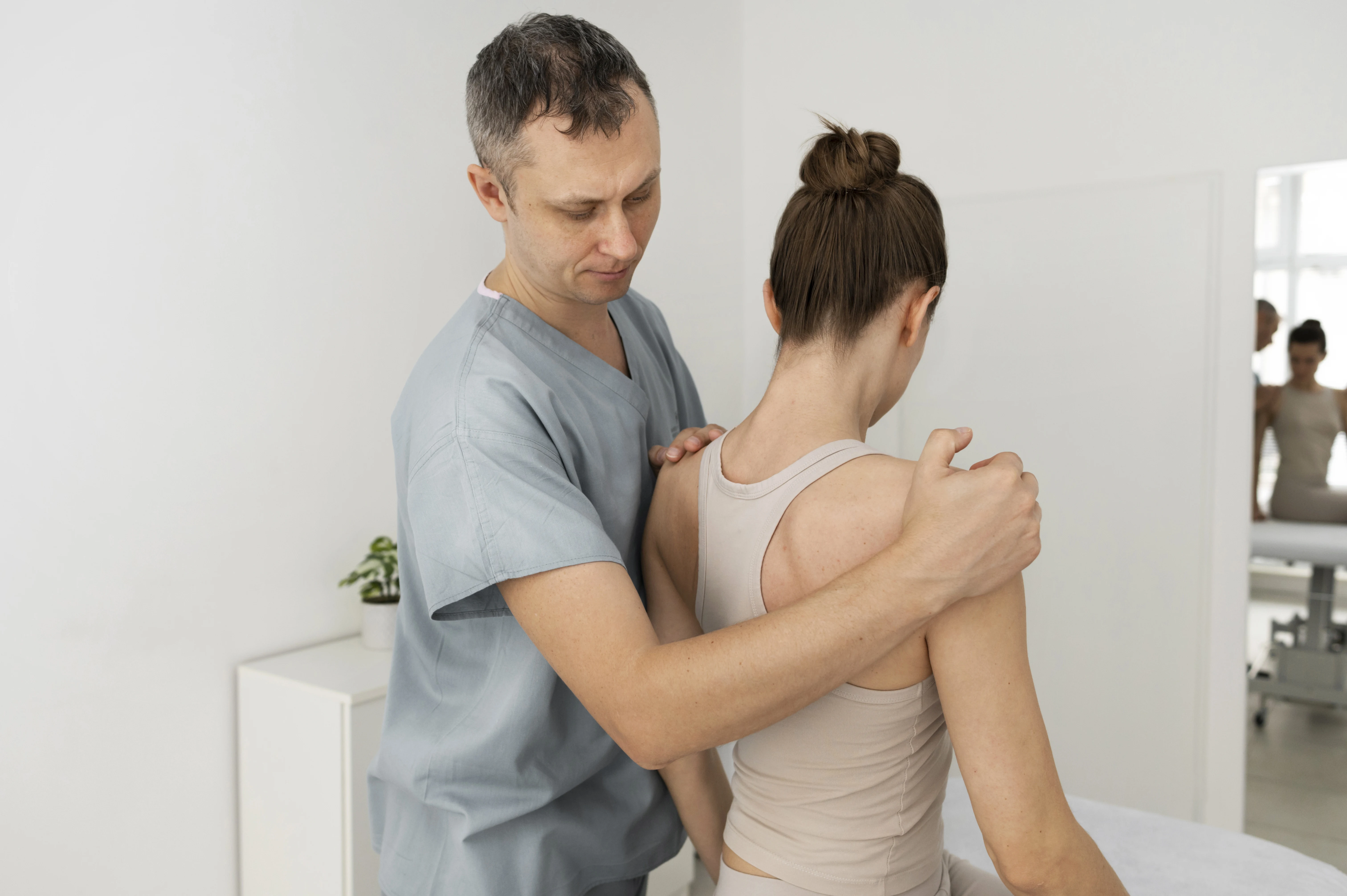
Manual & Structural
Osteopathy
A gentle, hands-on therapy that improves alignment, mobility, and circulation so the body can heal itself — no harsh adjustments or cracking.
Explore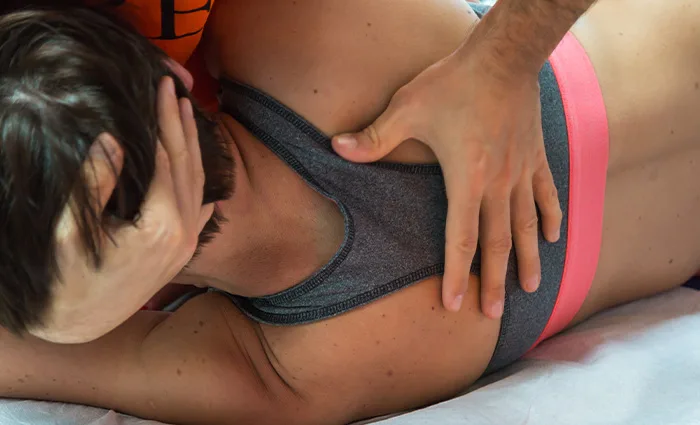
Manual & Structural
Neuro-Muscular Therapy
Neuro-Muscular Therapy is an advanced bodywork technique that releases nerve and muscle tension, restoring healthy communication between the brain, nerves, and muscles to relieve chronic pain and rebalance the body.
Explore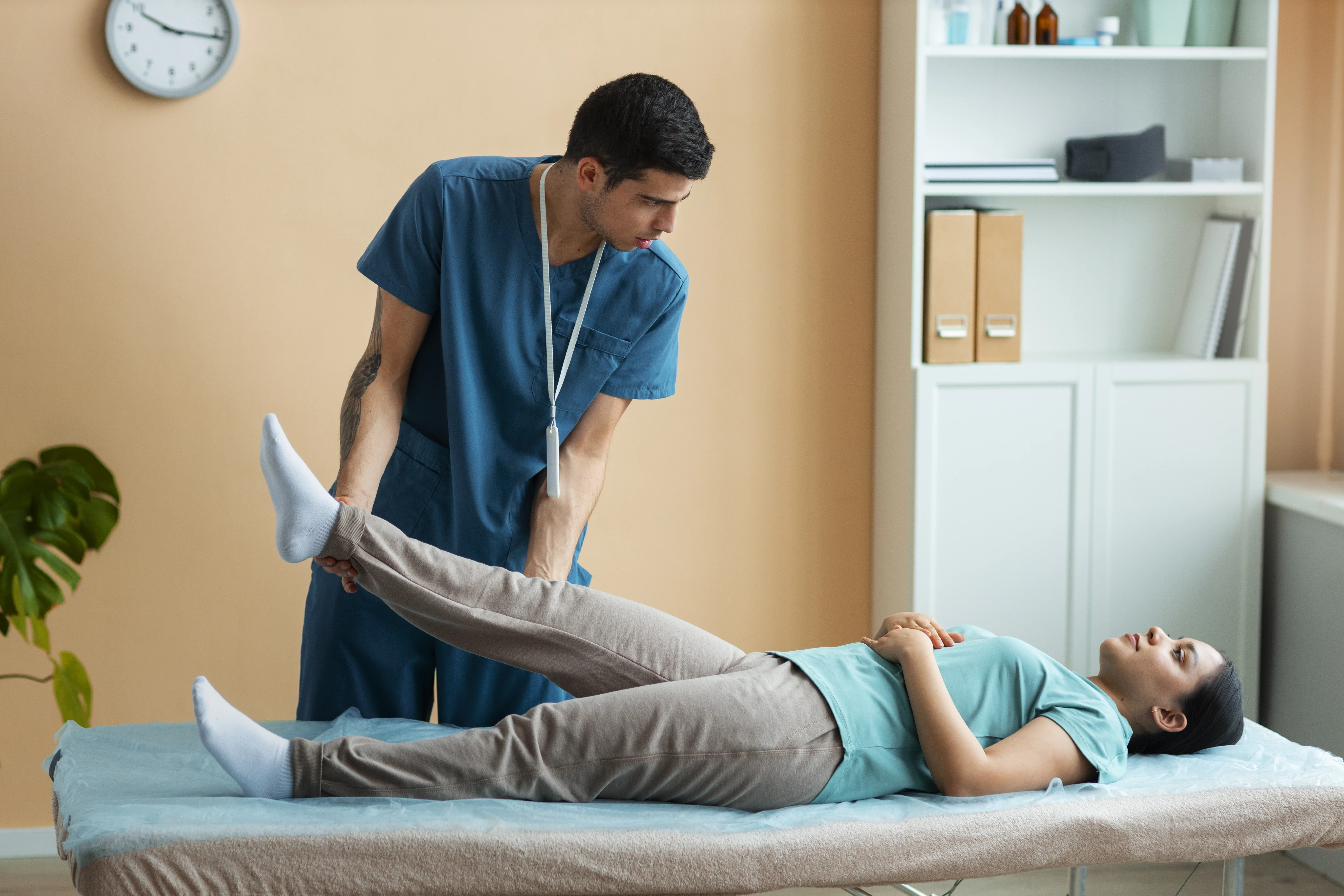
Manual & Structural
Musculo-Skeletal Manipulation
Controlled, hands-on treatment of muscles, bones, and joints that realigns the body, releases tension, and restores easy movement.
ExploreExperience Integrative Manual Therapy at Thangajam Munril
Sessions are held at Thangajam Munril, our multidisciplinary centre in Dindigul, conducted by ALMAYA Coz Raja.