Manual & Structural
Osteopathy
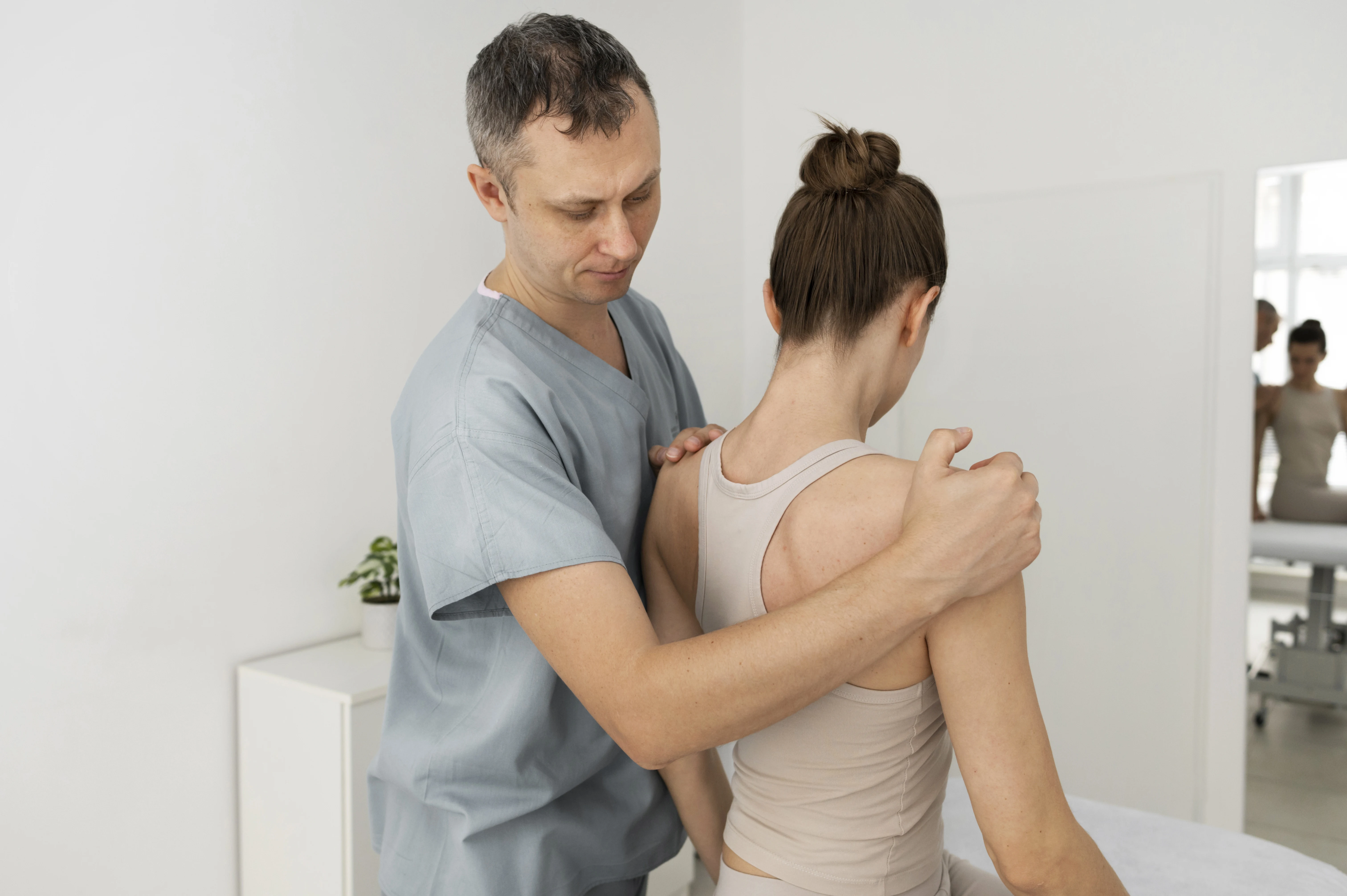
A gentle, hands-on therapy that improves alignment, mobility, and circulation so the body can heal itself — no harsh adjustments or cracking.
- Session length
- 30–45 min
- Typical course
- 6–10 typical
- Intensity
- Gentle
- Suitable for
- Joint pain, stiffness, and those preferring gentle treatment
How it helps
- Treats the root cause, not just the symptoms
- Boosts circulation and lymphatic flow
- Encourages the body's natural self-healing
- Relieves pain without forceful adjustments
- Supports both physical and emotional well-being
Often chosen for
Tap a condition to see the full condition guide.
What is Osteopathy?
Osteopathy is a gentle, hands-on therapy that helps the body heal by improving alignment, mobility, and circulation. Developed in the 1800s, it uses soft physical manipulation to relieve pain and restore balance — without harsh adjustments or cracking. In KiLiK therapy, it is one of our foundations for supporting both physical health and the body's energy flow.
Why choose osteopathy?
Osteopathy looks past the painful spot to ask why it hurts. A stiff hip can load the lower back; a restricted rib cage can feed neck tension. By treating the root cause rather than the symptom, osteopathy encourages natural self-healing, boosts circulation and lymphatic flow, and supports emotional as well as physical well-being.
Every session is personalised. The therapist works with your whole body as a connected system, so treatment for a sore knee may well involve the hip, the ankle, and the way you stand.
How it works
Four kinds of technique do most of the work. Soft tissue stretching releases muscle tension. Joint mobilization uses gentle movement to restore range and alignment. Myofascial release frees restrictions in the connective tissues that wrap every muscle and organ. And cranial osteopathy — subtle manipulation of the head and spine — offers deep relief to the nervous system.
Together they improve how blood and lymph move through the body, calm irritated nerves, and give stiff joints back their glide. The result is a body that hurts less because it moves better.
What a session looks like
- 1
Whole-body assessment
The therapist reads your posture, joint mobility, and tissue tension as one connected system, then plans a session personalised to you.
- 2
Soft tissue stretching
Slow, sustained stretching releases muscle tension and prepares the body for deeper work.
- 3
Joint mobilization and myofascial release
Gentle joint movement restores range and alignment, while steady pressure frees restrictions in the connective tissues.
- 4
Cranial osteopathy
Subtle manipulation of the head and spine settles the nervous system and leaves you deeply relaxed.
Osteopathy — common questions
How is osteopathy different from chiropractic?+−
Osteopathy works with soft, sustained manipulation of muscles, joints, and connective tissue rather than quick thrust adjustments. There is no cracking — the emphasis is on circulation, mobility, and the body as a whole.
What does a session feel like?+−
Calm and gentle. Most people find the stretching and mobilization deeply relaxing, and cranial work often sends people close to sleep.
How many sessions will I need?+−
Chronic stiffness and joint pain usually respond over 6–10 sessions, though many people feel a difference after the first one or two.
Is osteopathy safe for older adults?+−
Yes. Because the techniques avoid forceful adjustments, osteopathy suits older adults and anyone who prefers — or requires — a gentler approach.
Related therapies
Manual & Structural
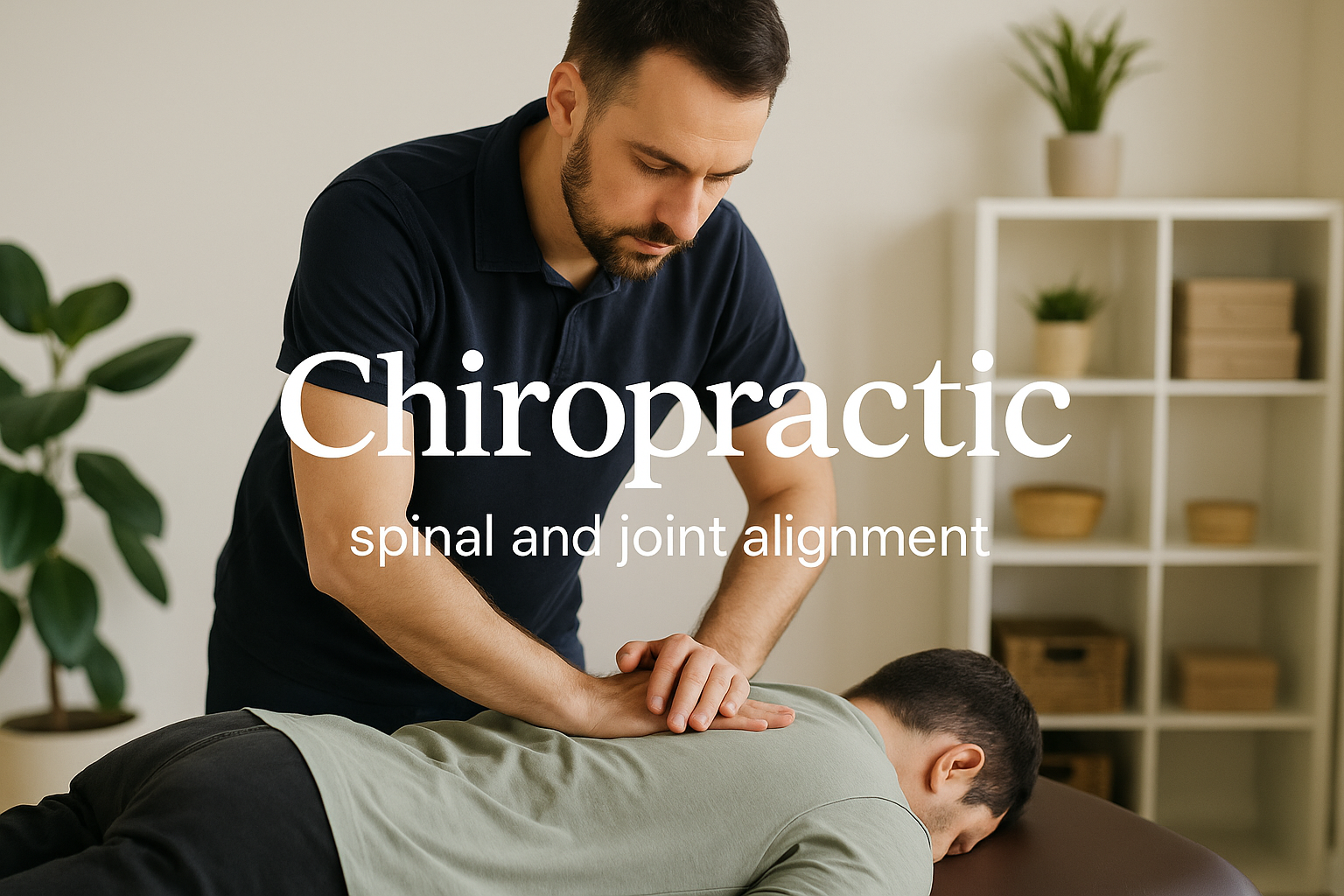
Chiropractic
Gentle spinal and joint alignment that relieves pressure on nerves, eases pain, and restores posture — helping the body heal itself naturally.
Explore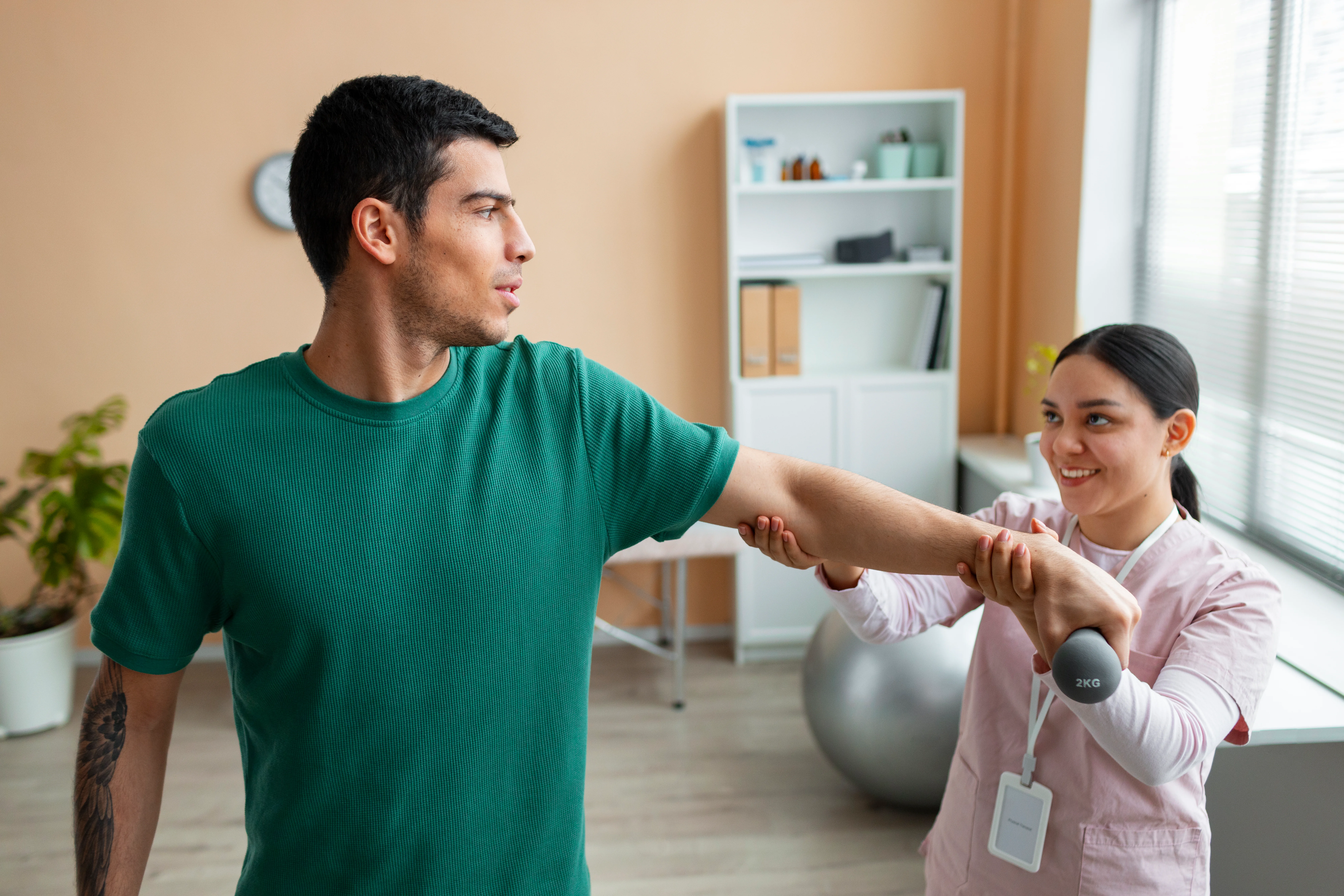
Manual & Structural
Integrative Manual Therapy
A comprehensive hands-on approach that blends the best of manual therapies — tailored to your structural and neurological needs to heal the root cause, not just the symptoms.
Explore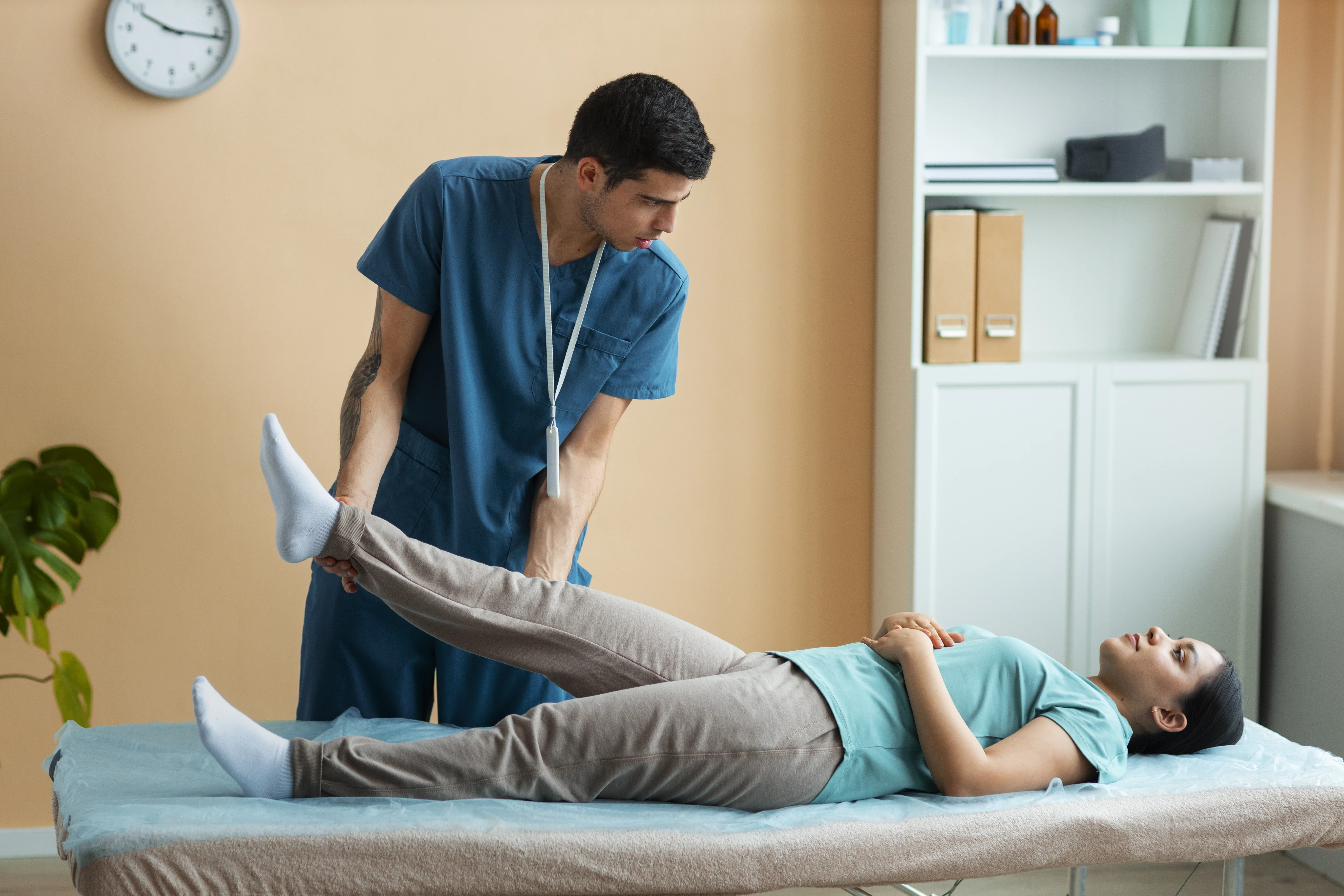
Manual & Structural
Musculo-Skeletal Manipulation
Controlled, hands-on treatment of muscles, bones, and joints that realigns the body, releases tension, and restores easy movement.
ExploreExperience Osteopathy at Thangajam Munril
Sessions are held at Thangajam Munril, our multidisciplinary centre in Dindigul, conducted by ALMAYA Coz Raja.