Energy & Traditional
Anma Therapy
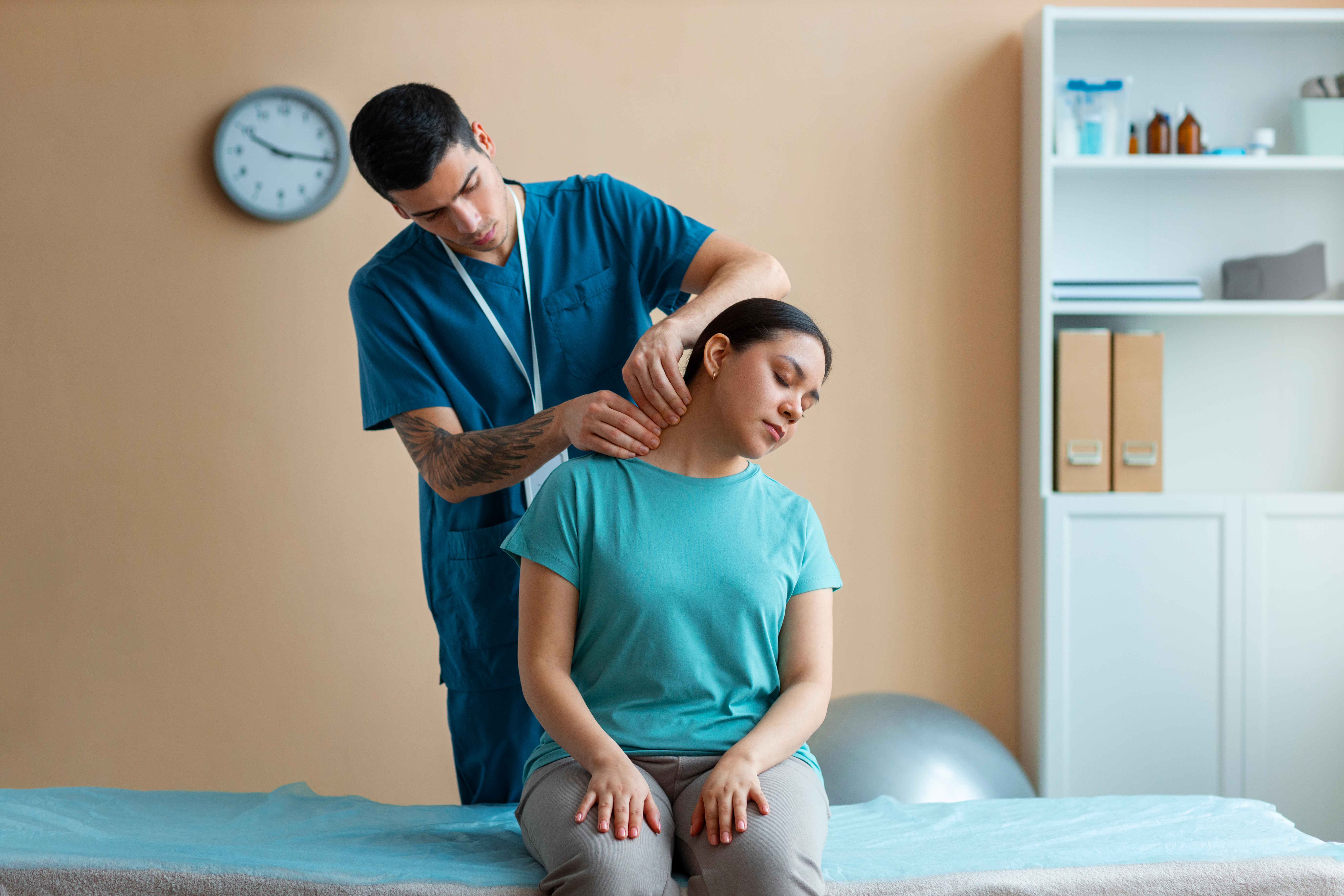
Anma is the classical Japanese massage behind Shiatsu — rhythmic kneading, pressing, and tapping along the body's energy channels, done fully clothed and without oils, to melt tension and revive energy.
- Session length
- 30–45 min
- Typical course
- 6–10 typical
- Intensity
- Gentle
- Suitable for
- Almost everyone — received fully clothed with no oils, making it comfortable for all ages and easy to fit into a busy day
How it helps
- Melts muscle tension in the neck, shoulders, and back
- Improves circulation and eases everyday fatigue
- Calms the nervous system and reduces stress
- Supports deeper, more restful sleep
- Leaves the body feeling energised rather than drowsy
- No oils or undressing — comfortable and convenient
Often chosen for
Tap a condition to see the full condition guide.
What is Anma Therapy?
Anma is Japan's classical massage tradition — the name simply means "press and rub" — with roots reaching back through China more than a thousand years and refined in Japan over centuries. It is the parent art from which modern Shiatsu later developed. Anma is performed through comfortable clothing, without oils or creams, using a rich vocabulary of kneading, pressing, stroking, stretching, and rhythmic percussion applied along the body's muscles and energy channels.
How it works
Anma combines two kinds of benefit in one session. Physically, its deep rhythmic kneading loosens knotted muscles, improves blood and lymph flow, and eases the stiffness that builds up from work, posture, and stress. Energetically, the techniques follow the same meridian pathways used in acupressure, and the steady thumb and palm pressure stimulates points along them — helping restore an even flow of energy through the body. The characteristic direction of work is from the centre outward, moving tension away from the trunk and out through the limbs.
What a session feels like
An Anma session has a musical, wave-like rhythm. It typically begins around the shoulders and neck — where most of us store our tension — with kneading that is firm, warm, and deeply satisfying, then travels along the back, arms, and legs. Gentle stretches open the joints along the way, and the session finishes with Anma's signature light drumming percussion, which leaves the skin tingling and the whole body feeling awake. Because there are no oils and no undressing, it is one of the easiest therapies to receive, and most people step out feeling simultaneously looser, lighter, and more alert.
What a session looks like
- 1
Settling and assessment
You lie or sit fully clothed while the therapist palpates the shoulders, back, and limbs, sensing where the muscles are tight and the energy flow feels congested.
- 2
Kneading and pressing
The heart of Anma: deep, rhythmic kneading with thumbs and palms along the muscles and energy channels, working steadily from the centre of the body outward.
- 3
Stretching and joint movement
Gentle stretches and rotations of the shoulders, arms, and legs open the joints and extend the release beyond the muscles the hands can reach.
- 4
Percussion to finish
Sessions close with light, rapid tapping and drumming strokes — a signature of Anma — that wake up circulation and leave the body tingling, loose, and refreshed.
Anma Therapy — common questions
How is Anma different from Shiatsu or a regular oil massage?+−
Anma is the older Japanese tradition from which Shiatsu grew. Where Shiatsu emphasises sustained still pressure, Anma is rhythmic and flowing — kneading, pressing, stretching, and tapping. Unlike oil massage, it is done through clothing, so the strokes grip and knead the muscles rather than glide over the skin.
Why is Anma done through clothing?+−
Working without oils lets the therapist knead and grasp the muscles directly, which suits Anma's pressing and percussion techniques. It also makes the session convenient and comfortable — nothing to remove, nothing to wash off.
Will I feel relaxed or energised afterwards?+−
Usually both. The rhythmic kneading releases tension deeply, while the brisk finishing percussion stimulates circulation, so most people leave calm but refreshed rather than sleepy — one reason Anma has been loved in Japan for centuries.
Related therapies
Pressure & Point Therapy
Shiatsu
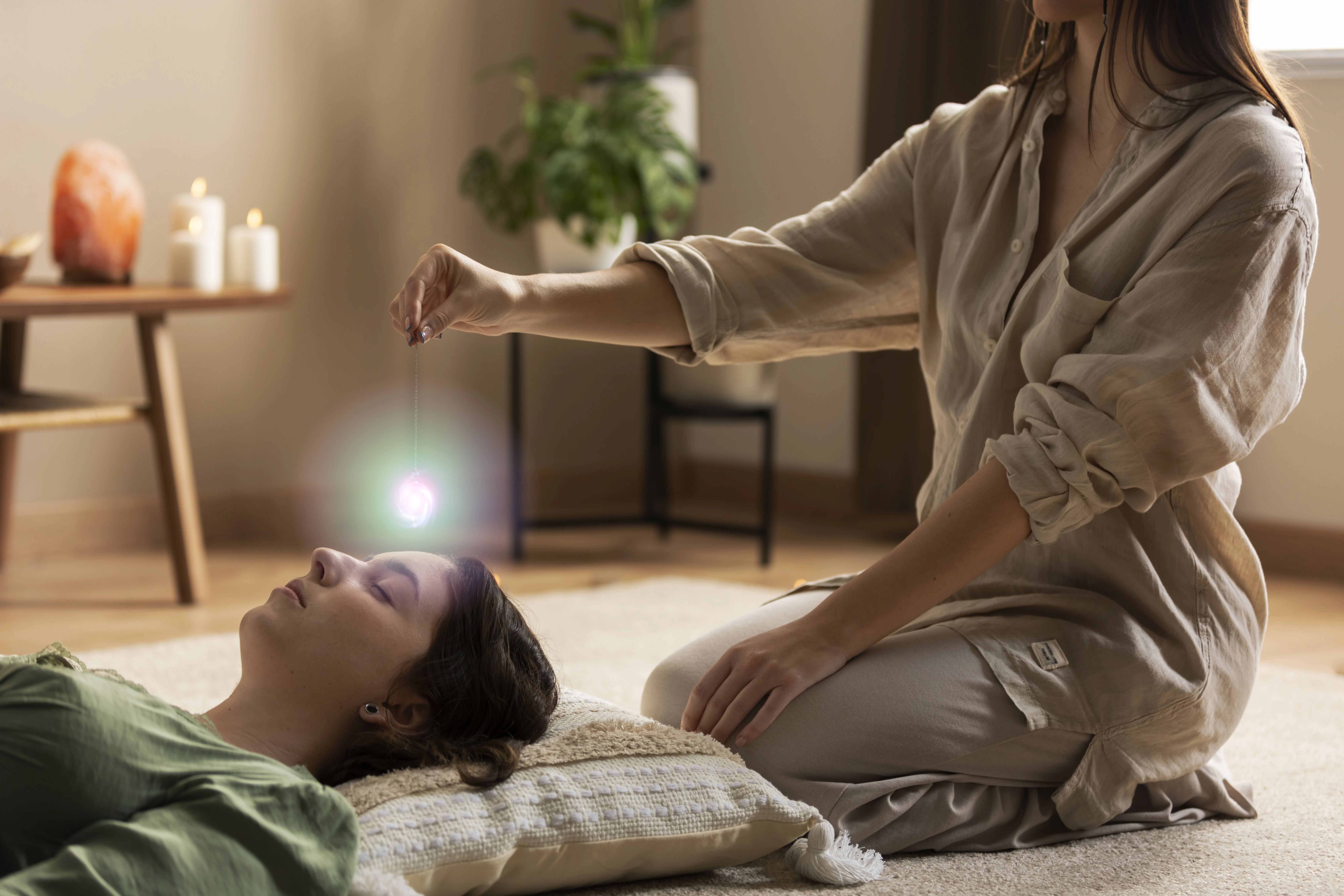
Shiatsu — Japanese for 'finger pressure' — is a touch-based therapy that uses fingers, thumbs, and palms on the body's energy pathways to melt tension, ease pain, and restore deep calm.
Explore
Manual & Structural
Tuina Tapping
Tuina tapping is a traditional Chinese hands-on therapy that uses kneading, rolling, pressing, and rhythmic tapping to stimulate the flow of Qi through the meridians, restoring balance and easing specific health complaints.
Explore
Pressure & Point Therapy
Acupressure
Acupressure uses firm, targeted finger pressure on specific points of the body to ease pain, calm stress, and restore healthy energy flow — the benefits of acupuncture, without needles.
ExploreExperience Anma Therapy at Thangajam Munril
Sessions are held at Thangajam Munril, our multidisciplinary centre in Dindigul, conducted by ALMAYA Coz Raja.