Mind & Emotional
Exposure Therapy
Exposure Therapy gently and gradually helps you face the situations, sensations, or memories you have been avoiding — retraining the mind's alarm system so fear and anxiety lose their grip.

- Session length
- 30–45 min
- Typical course
- 6–10 typical
- Intensity
- Gentle
- Suitable for
- Adults and teens whose fears, worries, or avoidance patterns are limiting daily life
How it helps
- Reduces fear and anxiety around specific situations, step by manageable step
- Breaks the avoidance cycle that keeps fears alive
- Builds lasting confidence rather than temporary coping
- Teaches calming skills you can use anywhere
- Improves sleep and eases physical tension linked to worry
- Restores freedom to do things anxiety had taken away
Often chosen for
Tap a condition to see the full condition guide.
What is Exposure Therapy?
Exposure Therapy is a structured, gentle way of helping the mind unlearn fear. When something frightens us — a situation, a sensation, a memory — the natural response is to avoid it. Avoidance brings quick relief, but it also quietly confirms the fear and lets it grow. Exposure Therapy reverses that cycle: with a therapist beside you, you approach what you have been avoiding in small, carefully planned steps, and discover that your mind and body can stay calm where they once panicked.
Rather than pushing through fear by willpower, the process works with the way the brain naturally learns safety.
How it works
Anxiety is the mind's alarm system firing when it should not. Each time we flee a feared situation, the alarm is rewarded and strengthened. Exposure works through habituation: when you stay in a challenging situation long enough, in a supported and controlled way, the anxiety rises, peaks, and then — reliably — falls on its own. The brain records that the situation ended safely, and the alarm fires a little less next time.
Sessions follow a graded ladder built around your specific fear, from the mildest trigger to the hardest. You first learn breathing and relaxation skills so your body has an anchor, then work up the ladder at your own pace, sometimes in imagination, sometimes in real situations. This steady retraining is how the therapy restores balance and reduces the physical and emotional tension that anxiety creates.
What a session feels like
Expect a calm, collaborative hour, not a test of courage. Early sessions are mostly conversation and skills practice; later ones involve facing chosen steps while your therapist guides your breathing and helps you notice the anxiety subsiding. The feeling of a rung mastered — doing something last month's fear would not allow — is what keeps people coming back, and it builds session by session into lasting confidence.
What a session looks like
- 1
Understanding your fear
You and your therapist map out exactly what triggers your anxiety, how it shows up in your body, and what you currently avoid because of it.
- 2
Building a step ladder
Together you create a graded hierarchy — a ladder of situations from mildly uncomfortable to most challenging — so progress always happens in steps you can handle.
- 3
Learning calming skills first
Before any exposure begins, you practise breathing and relaxation techniques so you have reliable tools to settle your body when anxiety rises.
- 4
Guided, gradual exposure
Starting at the bottom of the ladder, you face each step — in imagination or in real life — staying with it calmly until the anxiety naturally fades, before moving up.
- 5
Reviewing and reinforcing
Each session ends by reviewing what your experience actually showed versus what fear predicted, steadily rebuilding confidence and rebalancing the mind's alarm response.
Exposure Therapy — common questions
Will I be forced to face my worst fear straight away?+−
No. Exposure Therapy works from a graded ladder that you help design. You always begin with mildly challenging steps and only move up when you feel ready — flooding you with fear is not how this method works.
Why does facing a fear make it weaker rather than stronger?+−
Avoidance teaches the brain that a situation is dangerous. Staying with it calmly, and finding that nothing terrible happens, teaches the opposite. With repetition the alarm response quietens — a process called habituation.
How long before I notice a difference?+−
Many people feel more confident within a few sessions as early steps are mastered. Deeper or long-held fears usually take a full course of six to ten sessions, with short practice between visits speeding progress.
Related therapies
Mind & Emotional
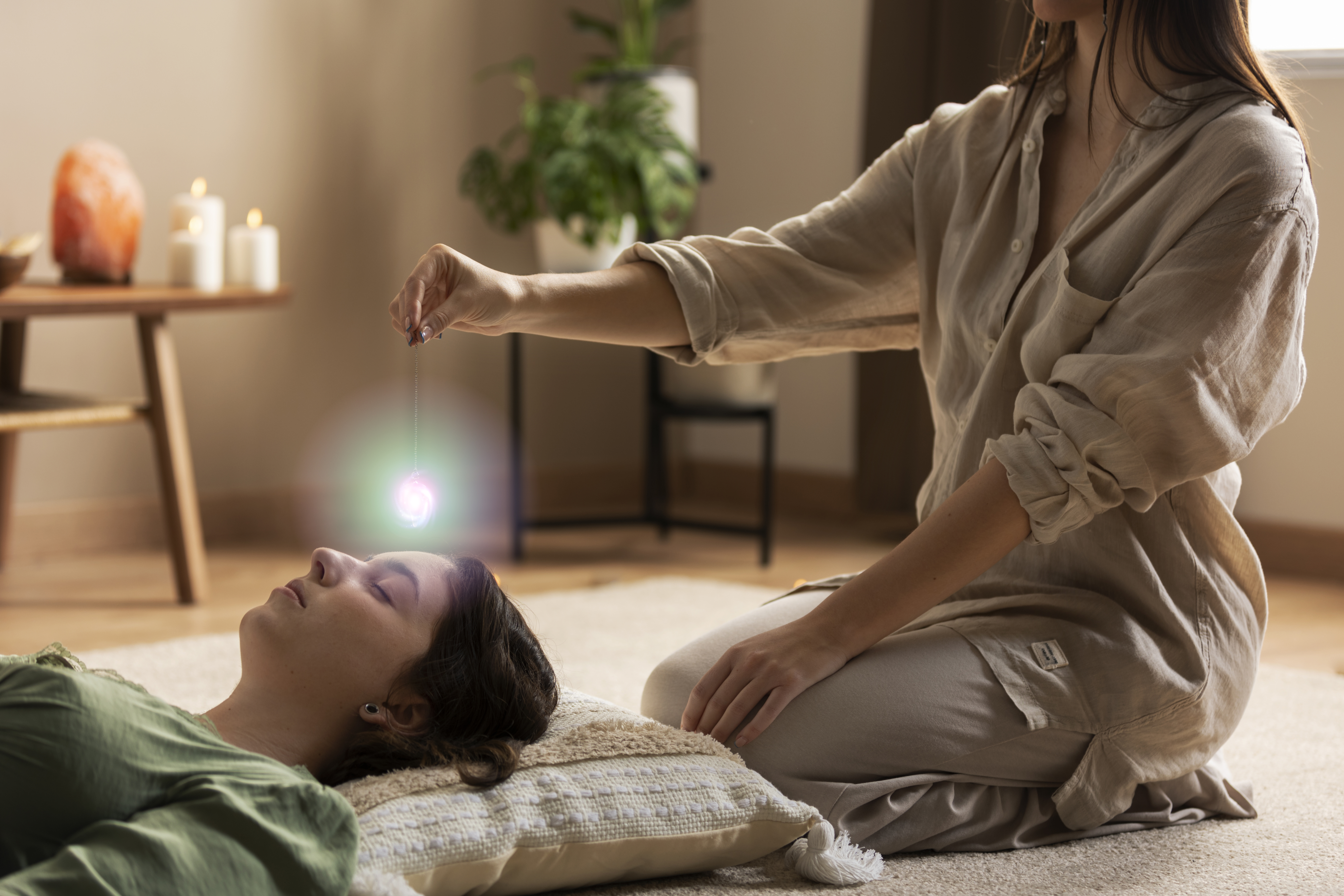
Neuro Emotional Healing Technique
Neuro Emotional Healing Technique helps release the physical imprint of unresolved emotional stress — locating where old tension is held in the body and gently clearing it to restore calm and energy balance.
Explore
Mind & Emotional
Relaxation Techniques
Relaxation Techniques combine yoga, calming music, breathwork, and guided practice to settle the nervous system, ease stress and tension, and restore balance to mind and body.
Explore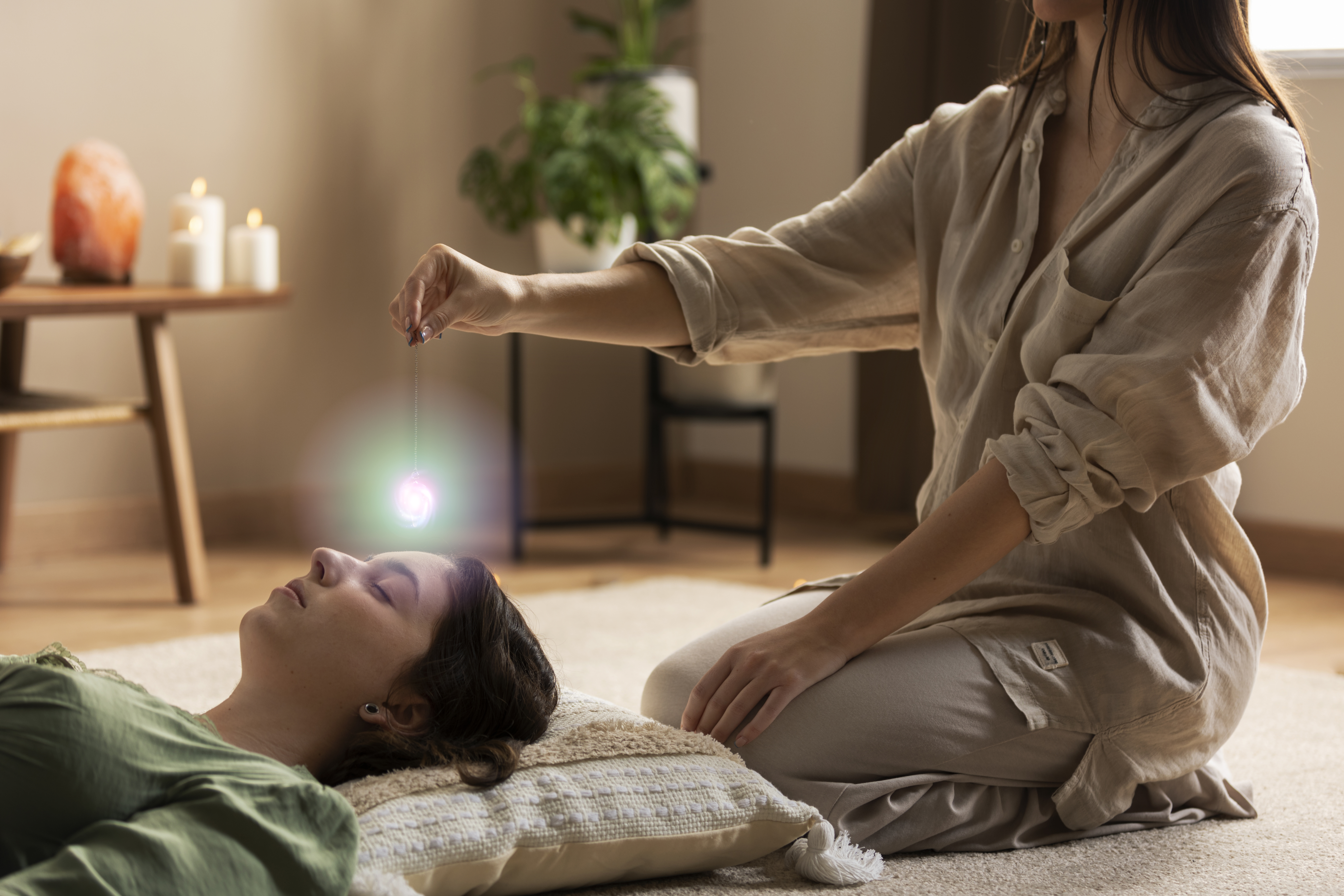
Mind & Emotional
Somatic Therapy
Somatic Therapy works through the body to ease what the mind carries — using breath, gentle movement, and body awareness to release stored stress and tension and settle an overworked nervous system.
ExploreExperience Exposure Therapy at Thangajam Munril
Sessions are held at Thangajam Munril, our multidisciplinary centre in Dindigul, conducted by ALMAYA Coz Raja.